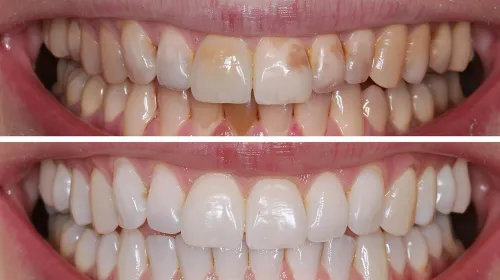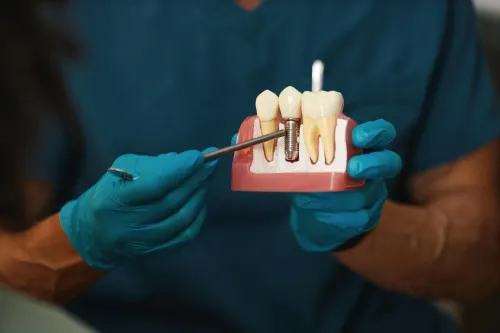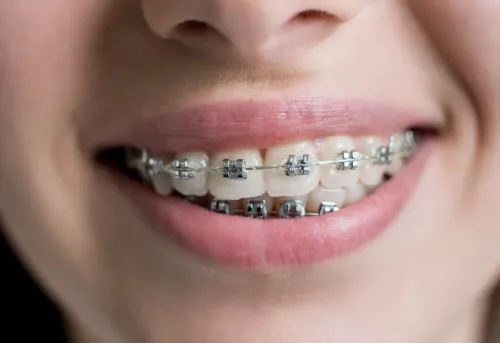
Daily brushing is essential, but even careful brushing may not remove every deposit that develops around the teeth. Once plaque mineralizes into calculus or tartar, professional Teeth Cleaning may be required as part of maintaining healthy teeth and gums.
For adults and families in Hebbal, Karnataka, understanding what professional cleaning actually does can help separate preventive dental care from purely cosmetic expectations.
Why Brushing Alone May Not Remove Tartar
Plaque is a soft bacterial biofilm that continually forms on teeth.
Regular brushing and interdental cleaning help control it. When plaque remains in certain areas and mineralizes, it can become a harder deposit known as calculus.
Calculus cannot usually be removed effectively with an ordinary toothbrush.
It commonly accumulates around areas that are difficult to clean thoroughly, including near the gumline and between teeth.
Signs That a Dental Cleaning Assessment May Be Useful
People may notice:
- Visible deposits on teeth
- Bleeding while brushing
- Persistent bad breath
- Gum redness
- Swollen gums
- Staining
- Areas that feel rough around the gumline
However, the amount of visible tartar does not necessarily reveal the complete condition of the gums.
Dental examination is important because periodontal problems can sometimes progress without dramatic pain.
What Happens During Teeth Cleaning
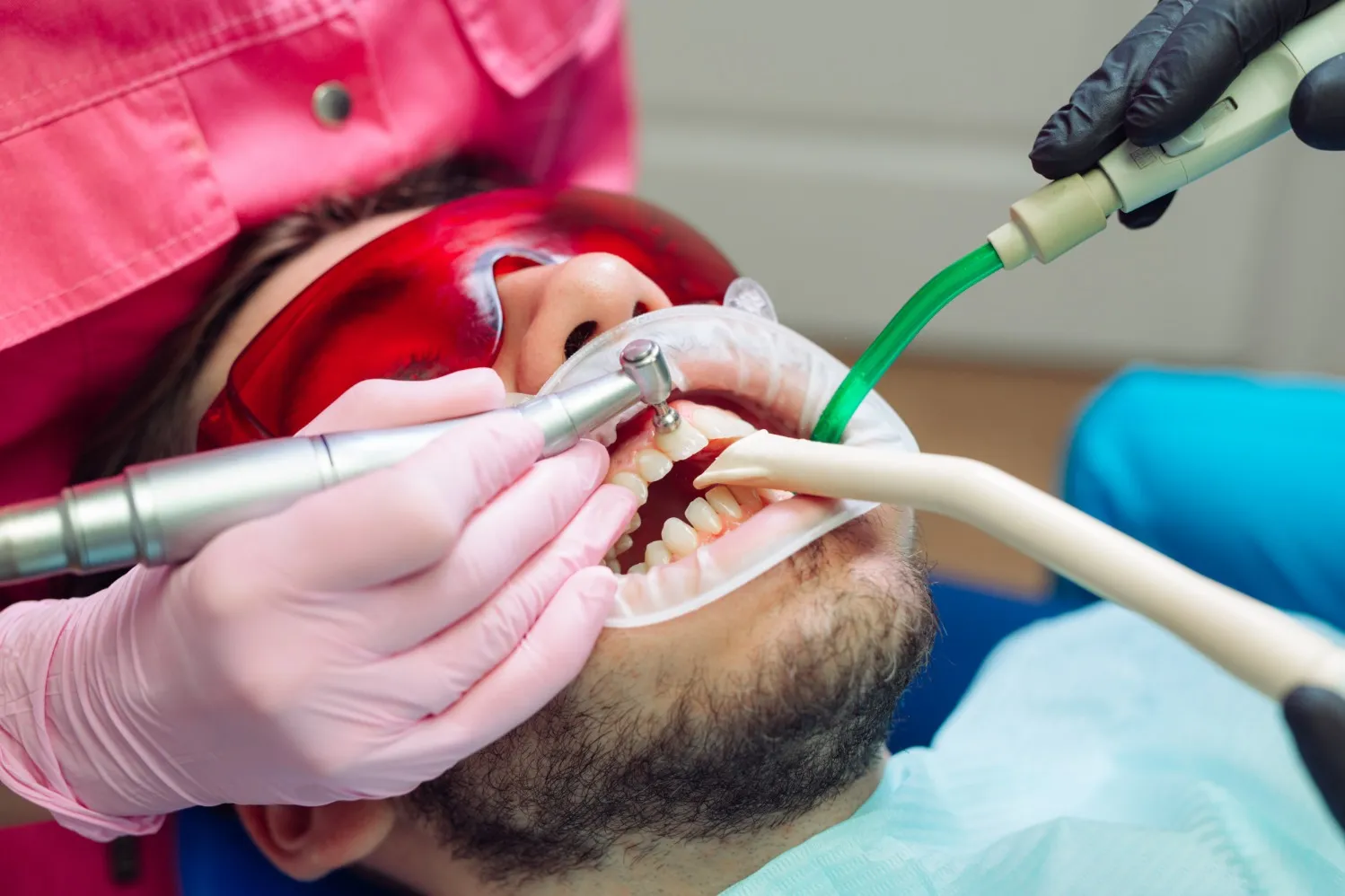
Professional cleaning typically involves removing plaque, calculus, and certain external stains from tooth surfaces using appropriate dental instruments.
The exact procedure depends on the condition of the gums and the depth and location of deposits.
Routine cleaning for a person with generally healthy gums is different from periodontal treatment required when gum disease affects deeper supporting structures.
This distinction is important because patients sometimes use 'cleaning' to describe several different procedures.
Does Cleaning Damage Enamel
Professional cleaning performed appropriately is intended to remove deposits from the tooth surfaces rather than remove healthy enamel.
After significant calculus is removed, patients may notice spaces or surface differences that were previously covered by deposits. This can create the mistaken impression that cleaning created those changes.
How Frequently Is Cleaning Needed
There is no ideal interval that applies equally to everyone.
A person's cleaning schedule may depend on:
- Plaque and calculus accumulation
- Gum condition
- Oral hygiene habits
- Smoking or tobacco exposure
- Existing dental restorations
- Previous periodontal problems
- Individual risk factors
Some patients may require closer monitoring than others.
Cleaning Is Only Part of Gum Care
Professional Teeth Cleaning cannot compensate for consistently poor home hygiene.
Daily plaque control remains essential between dental visits. Brushing technique, interdental cleaning, and attention to difficult-to-reach areas all influence gum health.
At Orchards Dental Care, preventive dental assessment can help identify whether routine cleaning is sufficient or whether gum findings indicate the need for more detailed periodontal care.
Rather than waiting until visible tartar becomes extensive, periodic dental evaluation can help detect plaque-related problems earlier. Professional cleaning works best as part of an ongoing preventive routine that combines appropriate home care with dental assessment based on individual oral health needs.
Keywords