Several damaged teeth do not automatically require one large treatment plan, but problems in different parts of the mouth can interact through the bite, gums, tooth loss and repeated restoration failure. By the end, you will know which combinations justify coordinated rehabilitation, how dentists test whether teeth can be saved, and what treatment sequence and commitments to expect.
Key takeaways
- Choose coordinated care when problems affect your bite, gums, teeth or tooth replacement.
- Request examination findings, photographs, X-rays, scans and bite records before approving treatment.
- Treat active gum disease and decay before rebuilding damaged teeth.
- Reject a full-mouth plan if disease control, maintenance or finances make it unsafe.
When do several dental problems become a full-mouth rehabilitation case?
Several dental problems become a full-mouth rehabilitation case when their treatment affects one another, not merely because many teeth are damaged. The full mouth rehabilitation definition is a coordinated plan for disease or functional problems involving teeth, gums, bite and tooth replacement—not one standardized procedure.
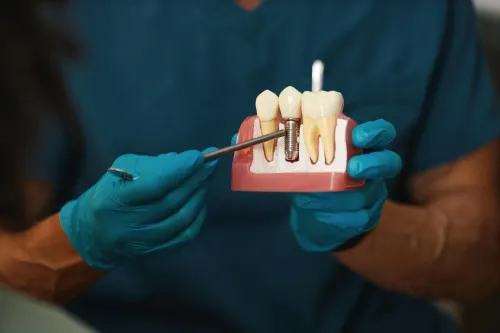
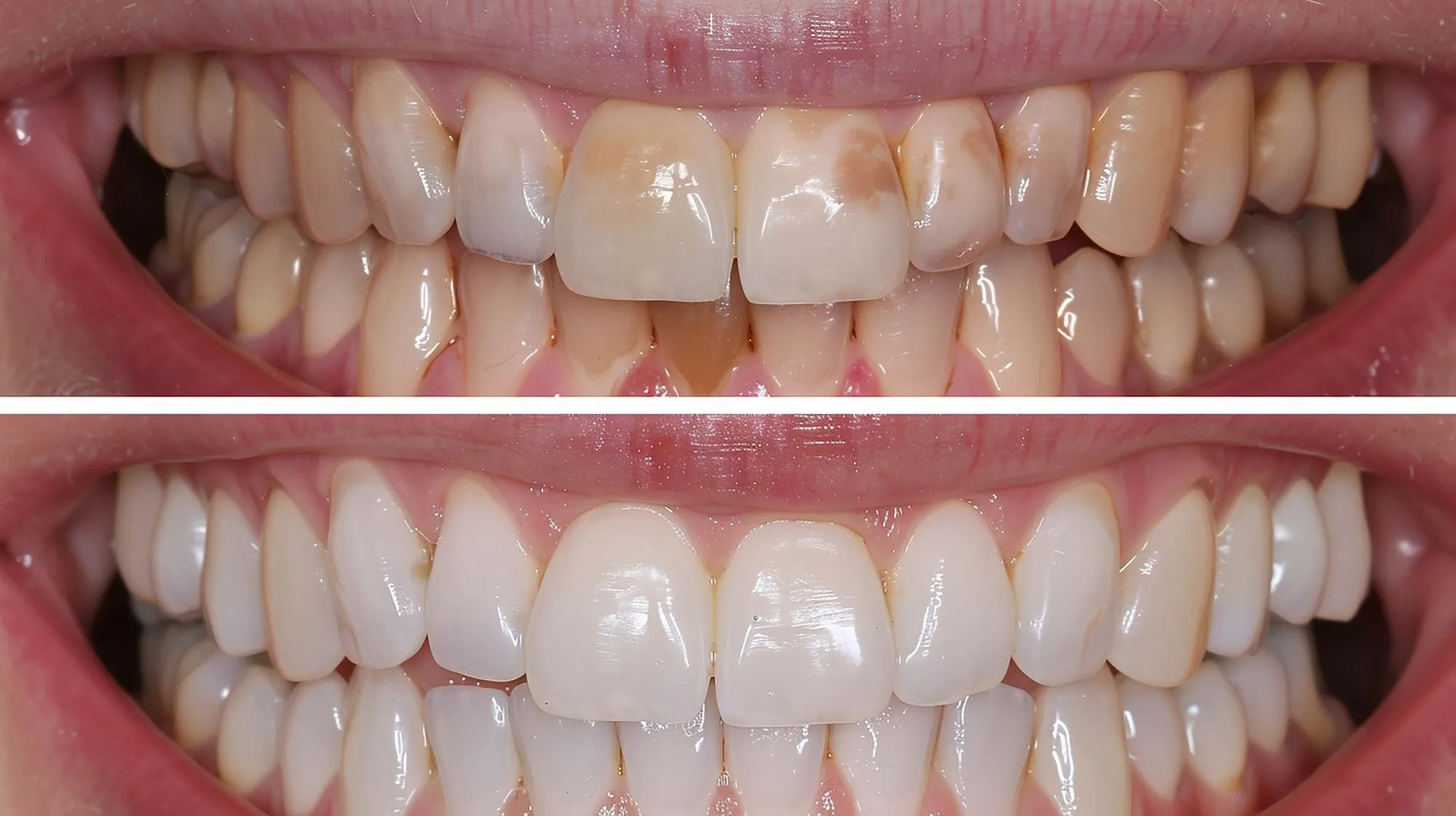
Full mouth reconstruction may combine restorative dentistry, periodontal treatment, root canal therapy, oral surgery, orthodontics, implants and occlusal management. Widespread decay, failed crowns or fillings, severe wear, cracked or missing teeth, gum disease and bite-related pain may require one linked plan because treating one tooth alone could compromise neighbouring teeth, gum support or chewing mechanics.
| Treatment | Main focus | What it does not address |
|---|---|---|
| Routine smile makeover | Visible tooth colour, shape or alignment | Infection, tooth support and chewing mechanics |
| Cosmetic dentistry versus full mouth rehabilitation | Appearance compared with disease control and function | Cosmetic treatment alone cannot rebuild a failing bite |
| Single crown or isolated tooth treatment | Diagnosis and restoration at one site | Problems affecting other teeth, gums or the overall bite |
Ask whether your proposed plan includes a whole-mouth diagnosis, tooth-by-tooth prognosis, staged sequence and maintenance schedule. A coordinated approach is justified when the height, position, contact between teeth or gum condition in one area changes treatment elsewhere. The number of affected teeth is secondary to the interaction and extent of disease.
What records show whether your whole mouth can be rebuilt safely?
A safe whole-mouth rebuild starts with records that show disease, tooth strength, gum support and jaw function—not appearance alone. Your dentist reviews medicines, diabetes and other conditions, previous gum treatment, grinding, acid exposure, smoking, jaw symptoms and your ability to attend maintenance visits.
The examination records cavities, cracks, old restorations, mobility, remaining tooth structure and jaw function.
Ask which of these records are included:
- Periodontal charting measures pocket depths, bleeding, recession, furcation involvement and mobility around each tooth.
- Bite analysis checks contacts, tooth guidance, clenching patterns, mouth opening and jaw-muscle symptoms.
- Bitewing radiographs reveal decay between back teeth and the bone level around them.
- Periapical radiographs show individual roots, previous root canal treatment, abscesses, fractures and supporting bone.
- A panoramic radiograph surveys missing or impacted teeth, jaw lesions, bone levels and root relationships with important structures. It does not replace close-up images.
- Intraoral photographs document cracks, wear, gum inflammation, tooth colour and changes over time. Facial scans and photographs add information about facial balance and the planned appearance.
- Digital scans or study models show tooth positions, spaces, bite relationships and the proposed shape of restorations.
A smile photograph alone cannot establish a whole-mouth diagnosis. The records should support a tooth-by-tooth prognosis and show whether the proposed rebuilding sequence matches your biology, bite and ability to maintain it.
How do gum disease, decay and tooth prognosis change the plan?
Active gum disease and uncontrolled decay come before definitive crowns, bridges or implants. Plaque-driven inflammation can destroy support around natural teeth and implants, while untreated decay can recur beneath new restorations. Gum disease and full mouth rehabilitation therefore begin with disease control, oral-hygiene instruction, professional cleaning, periodontal treatment and caries-risk management.
1. Assess every tooth separately. Ask whether enough sound structure remains for a filling or crown, whether the root is restorable after root canal treatment, and whether bone and gum support are adequate.
2. Compare preserving natural teeth versus implants. A restorable tooth with reasonable long-term tooth-by-tooth prognosis is usually worth retaining; a root canal, filling and crown may work together. A bridge or implant becomes relevant when a tooth cannot be saved or is already missing.
3. Identify teeth with a poor outlook. A vertical root fracture, inadequate remaining structure or hopeless periodontal support can make extraction more sensible. Full-mouth rehabilitation does not mean extracting every badly damaged tooth.
4. Find the cause of severe wear before rebuilding it. Attrition comes from tooth-to-tooth contact, abrasion from external objects, erosion from acids and abfraction-like defects from stress. Address bruxism, reflux, acidic drinks or aggressive brushing first, or the same forces can damage new restorations.
Implants also need periodontal planning and maintenance; plaque-related peri-implant mucositis and peri-implantitis can threaten them. Disease control is not a preliminary formality—it determines which teeth can safely support the final plan.
What treatment sequence protects the result?
Plan a full mouth rehabilitation treatment sequence in stages, because completing complex work in one appointment can hide problems that appear only after healing, tooth movement or changes to the bite.
1. Control urgent infection and pain first. Use temporary fillings, drainage or extraction when a tooth is hopeless; leaving infection beneath new work can undermine the entire reconstruction.
2. Treat active gum disease and decay next. Periodontal treatment, professional cleaning, home-care instruction and caries control create the stable biological foundation needed for crowns, bridges and implants.
3. Use provisional restorations as diagnostic tools. Provisional fillings, crowns or bridges test tooth shape, contacts, speech, chewing, cleansability and tolerance of the proposed bite before permanent preparation.
4. Test changes in tooth height carefully. Severe wear does not automatically justify permanently increasing bite height; a diagnostic wax-up or provisional restorations can expose speech problems, muscle discomfort or chewing difficulty before the change becomes irreversible.
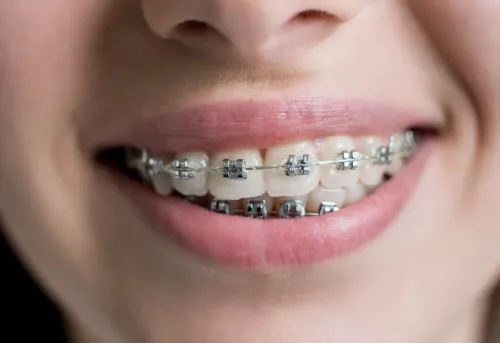
5. Add orthodontics before implants when it improves the plan. Tooth movement can create implant space, align roots, correct traumatic contacts or preserve healthy tooth structure by reducing the amount that must be removed.
6. Place implants after tooth movement or healing when indicated, then fit definitive crowns, bridges or other restorations. Implant planning must include periodontal assessment and peri-implantitis prevention, especially after periodontitis, with smoking or poor plaque control.
Finish with bite adjustment and a recall schedule. Daily cleaning and professional maintenance protect the result; dental work is not maintenance-free.
When is full-mouth treatment the wrong choice or a poor fit?
Full-mouth treatment is a poor fit when a smaller, safer option can solve the main problem. Compare these alternatives to full mouth rehabilitation before committing:
| Option | What it involves | When it may fit |
|---|---|---|
| Selective replacement | Treating only failing teeth and replacing specific missing teeth | Disease is limited and other teeth have acceptable dental treatment prognosis |
| Removable partial dentures | A removable appliance replacing several teeth | You need a less invasive, lower-cost replacement option |
| Orthodontics alone | Moving teeth without extensive crowns or restorations | Tooth position or bite is the main problem |
| Monitoring | Reviewing a tooth rather than treating it immediately | The tooth has a guarded but acceptable prognosis, no active infection and manageable symptoms |
Full mouth rehabilitation risks and maintenance include multiple appointments, healing periods, tooth preparation, extractions and future repairs. It is a poor fit if you cannot control plaque, active decay or gum disease, attend periodontal maintenance visits, manage bruxism, or tolerate the time and financial commitment.
Ask for the reason behind every procedure, each tooth’s prognosis, alternatives, expected maintenance and the plan if a restoration fails. Fillings, crowns, bridges and implant restorations can fracture, loosen, develop recurrent decay or cause biological complications; no dentist can promise one fixed lifespan for the entire reconstruction.
Daily plaque removal and a night guard when indicated are part of treatment. A multidisciplinary dental assessment in Bengaluru, including Orchards Dental Care 9886020830, should connect gum health, restorability, bite function and replacement choices rather than compare isolated prices.
Related service
Full Mouth Rehabilitation Restore Your Smile with Full Mouth Rehabilitation at Orchards Dental Care At Orchards Dental Care, Sadashiva Nagar, Bangalore, we offer comprehensive... View service → |
Frequently asked questions
When do several dental problems become a full-mouth rehabilitation case?
They become a full-mouth rehabilitation case when treating one problem affects other teeth, the bite, gums or tooth replacement—not simply because many teeth are damaged.
What records show whether your whole mouth can be rebuilt safely?
A safe assessment uses a clinical examination, periodontal measurements, photographs, X-rays, scans when needed, bite records and a tooth-by-tooth prognosis.
How do gum disease, decay and tooth prognosis change the plan?
Active gum disease and decay must be controlled first, while teeth with a poor prognosis may need extraction or replacement instead of restoration.
What treatment sequence protects the result?
The sequence usually starts with disease control, then stabilises the bite and remaining teeth before definitive restorations or tooth replacement.
When is full-mouth treatment the wrong choice or a poor fit?
It is a poor fit when disease is uncontrolled, key teeth cannot be predictably saved, maintenance is unlikely, or the time and cost exceed the expected benefit.