A dark spot or brief sensitivity does not tell you whether a tooth needs fluoride care, a filling, or treatment for an injured pulp. The decision depends on whether decay has formed a cavity, how much sound tooth remains, what examination and bitewing X-rays show, and whether the tooth can still be restored predictably.
Key takeaways
- A white spot is not automatically a cavity.
- A filling suits decay with a repairable tooth structure.
- Pain, swelling, or a broken tooth needs prompt dental review.
- Deep decay may require treatment beyond a filling.
How a dentist tells early demineralisation from a true cavity
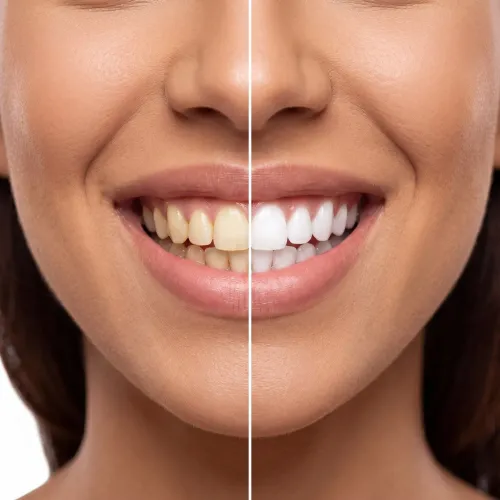
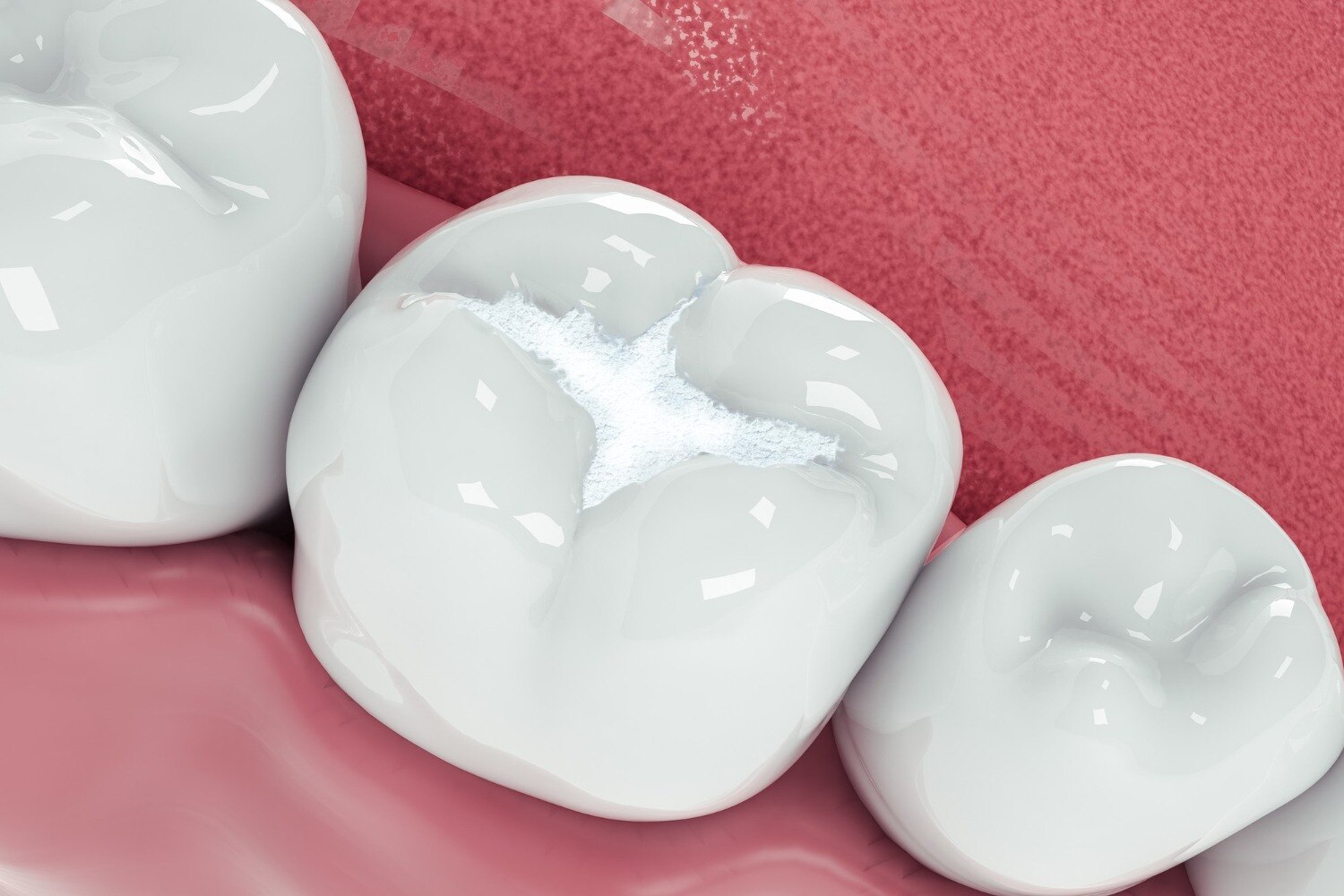
A white spot is not automatically a hole. Early tooth decay often appears as a chalky white-spot lesion because minerals have left the enamel, but the surface can remain intact. A dentist cleans and dries the tooth, then checks whether the enamel is hard and continuous or whether it has collapsed into cavity formation.
| Finding | Noncavitated enamel lesion | Cavitated lesion |
|---|---|---|
| Surface | Intact, chalky or discoloured enamel | A break, pit or hole that has lost structure |
| Cleaning | Usually smooth and maintainable | Traps plaque or cannot be cleaned fully |
| Typical plan | Fluoride, plaque control, less frequent sugary drinks and snacks, or sealant or resin infiltration | Remove irreversibly damaged tissue and place a restoration |
| X-ray role | Bitewing X-rays reveal hidden spread between teeth | X-rays show depth and proximity to dentin or the pulp |
A noncavitated enamel lesion may be arrested or partly remineralised without drilling, especially when the area stays clean and your caries risk is controlled. A true cavity usually needs a filling because preventive measures cannot rebuild lost enamel or make a plaque-trapping defect maintainable.
The distinction is not based on pain. Early lesions and substantial cavities can both be painless. Root-surface decay needs separate judgment: exposed dentin and cementum soften faster, so fluoride treatment may suit an active, cleanable lesion, while a sensitive or cavitated area often requires a restoration.
The findings that make a filling a suitable repair
A filling is suitable when decay is limited to enamel or dentin and has formed a cavity that traps plaque or cannot be cleaned reliably. A non-cavitated enamel lesion is usually managed with fluoride, hygiene and monitoring rather than drilling.
The tooth must retain enough healthy tooth structure to support the filling and withstand chewing forces. A bitewing radiograph can show hidden decay between teeth and estimate its depth, but it cannot prove that the cavity has reached the pulp; examination, sensitivity testing and symptoms still matter.
A normally responsive, living pulp supports a conservative repair, including selective removal of softened dentin in a deep lesion to reduce the risk of exposing it. Completely removing every softened area can create a pulp exposure and turn a filling case into a root-canal case.
A filling is not the right repair when findings point to pulp infection, such as spontaneous pain, lingering hot or cold pain, swelling or marked tenderness. A tooth crack below gumline also threatens the seal and stability of a filling, especially if the crack extends into the root.
Root-surface decay needs separate judgement: a small, cleanable, non-cavitated lesion may respond to high-fluoride treatment, while an active cavity often needs restoration.
What happens during examination and filling treatment
A dentist starts with a clean, dry tooth and a clinical examination, checking for softness, a break in the enamel, tenderness, cracks, and how the tooth responds to cold or other pulp tests.
A bitewing X-ray can show decay between teeth and estimate its depth, but it cannot by itself prove that the surface has collapsed or that the pulp is irreversibly inflamed.
If the findings support a filling, treatment usually follows these steps:
- The dentist gives a local anaesthetic when sensitivity or the lesion’s depth makes it necessary. Numbing the tooth lets treatment proceed without sudden movement from pain.
- The dentist creates isolation of the tooth with cotton rolls, suction, or a rubber dam. A dry field prevents saliva from weakening the bond between the tooth and filling.
- The dentist removes unsupported enamel and infected, irreparably softened tooth structure while preserving sound enamel and dentin. In a deep lesion with a normally responsive pulp, removing every softened layer can expose the pulp, so selective removal may be safer.
- The dentist places bonded composite in increments, curing each layer with a dental light. The material is shaped to restore the missing surface rather than unnecessarily enlarging the preparation.
- The dentist checks the bite with marking paper, adjusts any high spot, and polishes the restoration. A bite left too high can cause pain when chewing and overload the repaired tooth.
When a filling cannot protect the tooth by itself
An ordinary filling cannot protect a tooth when too much supporting structure has been lost, the pulp is irreversibly inflamed, or a crack makes the tooth unstable. The filling versus crown decision depends on the remaining tooth walls, the size and position of the cavity, and whether a weakened cusp could fracture under chewing pressure.
| Option | What it means | When it applies |
|---|---|---|
| Filling | Replaces a limited area of lost tooth structure | Enough sound tooth remains, the cusps are supported, and the pulp is healthy |
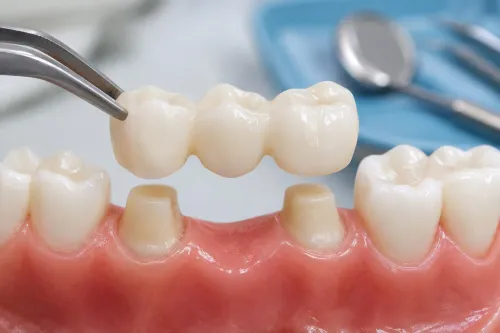
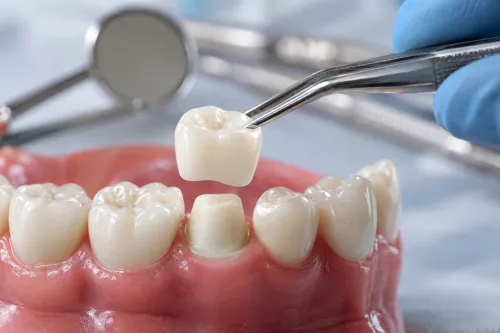
| Crown | Covers and reinforces most of the visible tooth | Large restorations, thin remaining walls, a weakened cusp, or a tooth at high fracture risk |
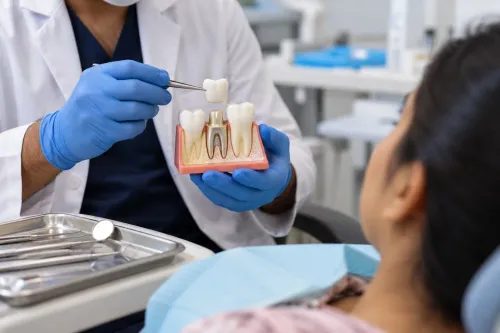
| Root-canal treatment plus restoration | Removes infected or irreversibly inflamed pulp before sealing and protecting the tooth | Spontaneous pain, lingering hot or cold pain, swelling, or pulp inflammation |
| Extraction | Removes the tooth rather than attempting an unreliable repair | A deep crack or extensive destruction leaves no predictable way to restore it |
A deep cavity does not automatically require root-canal treatment. If the pulp responds normally, selective removal of softened dentin can reduce exposure risk; excavating every softened area can turn a filling case into a pulp-treatment case.
Pain on biting, worsening sensitivity, or swelling after treatment needs reassessment because it can indicate a crack, bite problem, or pulpal disease rather than an ordinary filling issue.
Symptoms and follow-up that should not wait
Brief sensitivity after a filling can occur, but it should settle rather than intensify. These symptoms need prompt assessment:
| Symptom | What it can indicate | What to do |
|---|---|---|
| Lingering hot or cold pain | Pulp inflammation beyond a simple cavity | Arrange a dental review promptly |
| Spontaneous pain, especially at night | Pulp inflammation or infection | Seek assessment without waiting for the next routine check |
| Pain on biting | A high filling, crack, or inflammation around the root | Contact the dentist for examination and bite adjustment if needed |
| Facial swelling | Dental infection that may spread into surrounding tissues | Obtain urgent dental care; seek emergency help if breathing or swallowing is difficult |
Do not mask worsening pain with repeated self-treatment and postpone review. If decay has infected or irreversibly inflamed the pulp, another filling will not solve it; root-canal treatment and a protective restoration, or extraction when the tooth cannot be predictably restored, may be necessary.
After treatment, brush twice daily with fluoride toothpaste, clean between the teeth every day, and reduce how often you consume sugary or starchy snacks and drinks. Manage dry mouth with professional advice, because reduced saliva raises the risk of decay beside a restoration and elsewhere.
Keep the examination schedule your dentist recommends. At Orchards Dental Care, the review can distinguish a bite problem from a crack, pulp inflammation, or a new lesion before discomfort becomes severe. Return sooner if a filling feels high, rough, loose, or catches floss.
Related service
Dental Filling Restore Your Tooth with Advanced Dental Filling at Orchards Dental Care At Orchards Dental Care, Sadashiva Nagar, Bangalore, we provide high-quality... View service → |
Frequently asked questions
How does a dentist distinguish early demineralisation from a true cavity?
The dentist cleans and dries the tooth, then checks whether the enamel is hard and continuous or has collapsed into a cavity.
What findings make a filling suitable?
A filling is suitable when decay has created a repairable defect and enough healthy tooth structure remains to support the restoration.
What happens during an examination and filling?
The dentist examines the tooth, assesses the extent of decay, removes damaged tissue when needed, and places a filling to restore its shape and function.
When can a filling not protect the tooth by itself?
A filling cannot resolve problems such as extensive structural damage, decay reaching the pulp, infection, or symptoms requiring deeper treatment.
Which symptoms should not wait for follow-up?
Seek prompt dental care for worsening pain, swelling, fever, pain when biting, a broken tooth, or symptoms that persist after treatment.