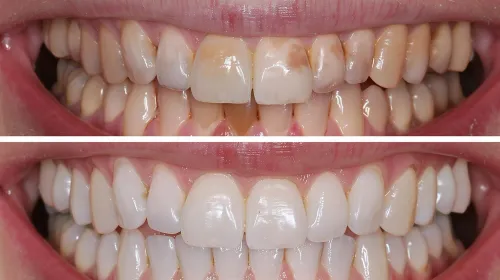
A veneer can disguise a small chip, intrinsic stain or minor shape irregularity, but it cannot treat decay, move a crowded tooth or protect a severely weakened one. You will be able to match your concern to the appropriate treatment and identify the checks that should come before any irreversible enamel preparation.
Key takeaways
- Healthy teeth and gums are essential before considering veneers.
- Veneers conceal visible defects but do not move teeth or treat decay.
- Choose bonding for small repairs and orthodontics for tooth-position problems.
- Porcelain lasts longer than composite but requires greater investment and planning.
Which chipped, discoloured or uneven teeth may suit veneers?
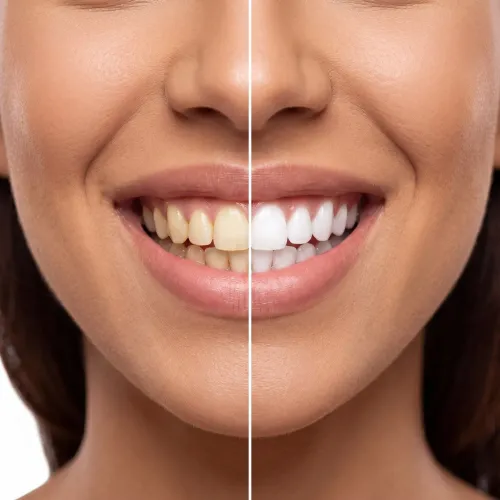
Veneer candidacy is strongest for adults with healthy teeth who want to improve relatively small cosmetic defects. A veneer can change the visible colour, shape, length or apparent alignment of a front tooth, but it cannot move the tooth or repair the biological cause of damage.
| Situation | How veneers may fit |
|---|---|
| Small chips or worn edges | Make chipped teeth look intact, but do not replace lost tooth structure |
| Intrinsic discolouration | Cover colour changes caused by trauma, medication or enamel changes |
| Short, unusually shaped or slightly uneven teeth | Add apparent length, improve shape or camouflage minor unevenness |
| Minor spacing | Reduce the visible gap without moving the teeth |
Intrinsic discolouration lies within the tooth and may not respond to whitening. Surface stains from foods, drinks or tobacco sit on the outside and may improve with professional cleaning or whitening instead.
A veneer is mainly cosmetic, so a large filling, extensive fracture, substantial structural loss or high fracture risk points toward a crown or another restorative plan. Veneers also do not treat decay, infection, gum disease or the cause of tooth wear.
Ask for a different plan when the tooth is too weak to support a bonded covering, or when you need major movement or bite correction rather than a change in appearance.
What must a dentist check before recommending veneers?
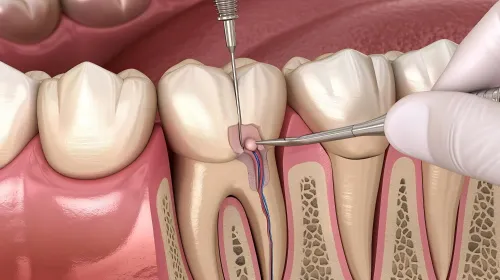
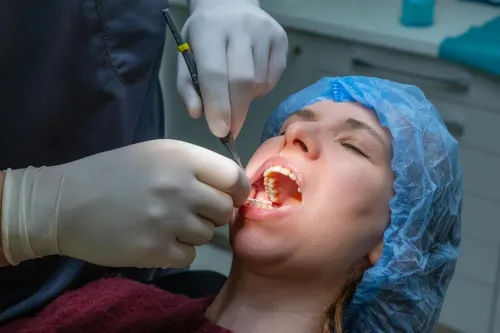
A veneer examination tests whether the tooth and bite can support predictable bonding, not just whether the visible defect looks suitable. Untreated tooth decay, infection or gum disease must be managed before cosmetic treatment begins.
1. The dentist checks for cavities, infection, bleeding, gum disease, recession, plaque control and tooth sensitivity. Active disease left untreated can worsen beneath or around a veneer.
2. The dentist examines enamel thickness, the enamel bonding surface, cracks, unstable fillings and the remaining tooth structure. Insufficient sound enamel can prevent reliable bonding, while a severely weakened tooth may need a crown.
3. The assessment includes clinical photographs and dental radiographs when indicated. X-rays can reveal decay, bone loss, root problems or fractures that an external examination cannot confirm.
4. The dentist checks bite alignment, severe crowding, deep bite and crossbite. Severe crowding, an uncontrolled deep or crossbite, or a request to create a completely different tooth position or bite makes veneers a poor choice because veneers camouflage teeth rather than move them.
5. Clenching and grinding are assessed separately by looking for worn edges, asking about muscle tenderness and checking for morning jaw pain or stiffness. Uncontrolled bruxism increases chipping, fracture and debonding risk.
6. Erosion needs its own plan: veneers do not remove acid damage. Treatment may need enamel protection, dietary changes or reflux management; grinding requires attention to parafunctional habits and possibly a protective night guard. Without controlling these causes, veneer failure remains more likely.
When is bonding, whitening, orthodontics or a crown more appropriate?
Size and cause decide the treatment: a small chip is different from a weakened tooth, and a surface stain is different from intrinsic discolouration inside enamel or dentine.
- Choose composite bonding for a small chip or low-cost repair when preserving enamel and easy modification matter. It is usually easier to repair than a veneer, but composite stains and wears sooner.
- Choose professional teeth whitening for surface stains on otherwise healthy natural teeth. Complete shade selection before veneers because porcelain and cured composite do not whiten afterward.
- Choose orthodontic treatment for rotated, crowded or significantly misplaced teeth. Veneers camouflage position; they do not move teeth or correct a major bite.
- Choose a filling for a limited defect caused by decay or a small fracture when enough sound tooth remains. A dental filling comparison with bonding should include the defect’s cause, not just its appearance.
- Consider a crown or another full-coverage restoration when the tooth has lost substantial structure, carries a large filling or faces high fracture risk.
| Option | Best fit | Main limitation |
|---|---|---|
| Composite bonding | Small chip or conservative repair | Stains and wears sooner |
| Professional teeth whitening | Surface staining | Does not change intrinsic stains |
| Orthodontic treatment | Rotation, crowding or displacement | Takes longer than cosmetic masking |
| Crown | Major structural loss or fracture risk | Requires greater tooth coverage |
Treat decay, gum disease or alignment problems first. Combining orthodontics, whitening or disease treatment before a veneer can produce a safer, better-matched result.
How do porcelain and composite veneers differ, and how permanent are they?
Porcelain veneers usually offer more stable colour, stronger stain resistance and a harder, more durable surface than composite veneers. Composite resin is easier to repair, reshape or modify, and it may require less preparation.
| Option | Main advantages | Main limitations |
|---|---|---|
| Porcelain veneers | More stain-resistant; colour remains stable; surface usually lasts longer | Repairs are difficult; damaged porcelain often needs replacement |
| Composite veneers | Easier to repair, reshape or modify; may preserve more enamel | More vulnerable to staining and wear; surface may need polishing or repair sooner |
Published guidance commonly gives porcelain veneers an approximate service life of 10–15 years and composite veneers about 5–7 years. Treat those figures as planning estimates, not guarantees: trauma, heavy biting, poor hygiene and inadequate bonding can shorten either period.
Conventional veneer preparation often removes some enamel to create room and expose a reliable bonding surface. That is irreversible dental treatment, so ask exactly how many millimetres will be prepared and whether a no-preparation or minimal-preparation design is genuinely suitable for your tooth.
No-preparation and minimal-preparation veneers are not automatically reversible. If there is not enough space, adding material can produce bulky contours, gum irritation or bite problems. The safest choice depends on tooth position, thickness, colour, bite and the amount of material needed.
What happens during veneer planning, placement and maintenance?
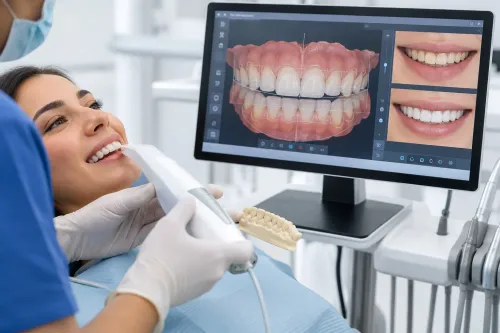
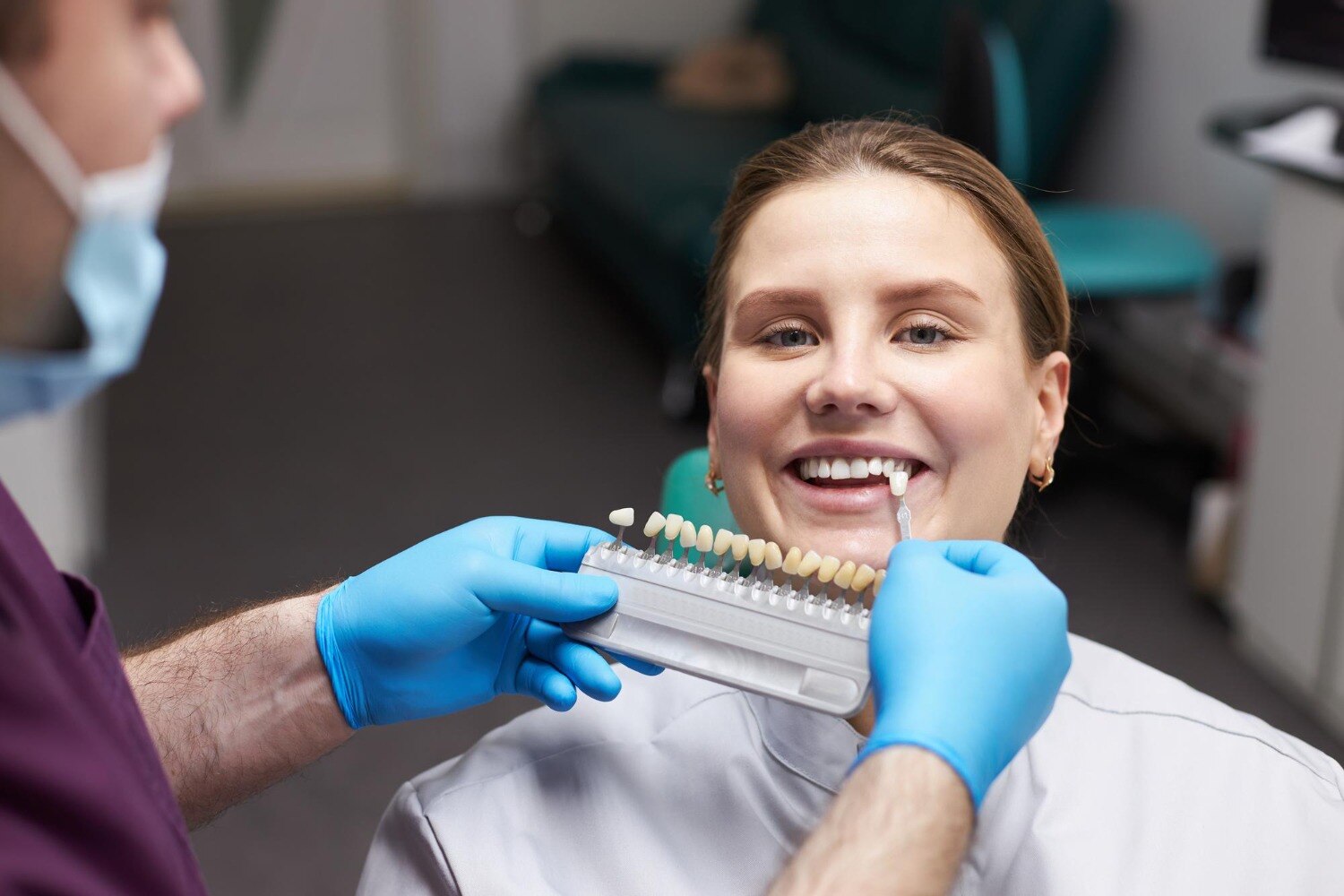
The veneer procedure starts with an examination of decay, gums, enamel, cracks, fillings, tooth structure and bite. Your dentist records photographs or digital scans, then discusses tooth proportions and the final shade; complete whitening before shade selection because veneers do not whiten afterward.
- Prepare the tooth if the design requires enamel removal. Ask how many millimetres will be removed and whether a no-preparation design is genuinely suitable.
- Wear temporary veneers when the laboratory workflow calls for them. They let you test comfort, appearance and speech.
- Attend the veneer try-in before bonding. Approve the proposed length, contour, colour and speech comfort, and ask how revisions are handled if you dislike the design.
- After approval, the dentist bonds the final veneers and adjusts your bite. A high spot can cause tenderness, chewing discomfort or early debonding.
Maintain the result by brushing twice daily with fluoride toothpaste, cleaning between teeth and attending dental examinations. Do not open packages with veneered teeth. A dentist-fitted night guard for grinding reduces the risk of chipping, fracture or debonding when you clench or grind.
Sensitivity, gum irritation, an altered bite and dissatisfaction with shape can occur. A debonded veneer may be rebonded, but damaged porcelain often needs replacement. Veneer margins can still decay where plaque collects.
In Bengaluru, Orchards Dental Care 9886020830 can provide an examination and bite assessment while you compare veneer, bonding, orthodontic and restorative options.
Related service
Porcelain Veneers At Orchards Dental Care in Sadashiva Nagar, Bangalore, we provide premium-quality Porcelain Veneers designed to enhance your smile with a natural,... View service → |
Frequently asked questions
Which chipped, discoloured or uneven teeth may suit veneers?
Veneers may suit adults with healthy teeth who have relatively small cosmetic defects affecting visible front teeth. They can alter apparent colour, shape, length or alignment, but they cannot move a tooth or treat decay, gum disease or the cause of damage.
What must a dentist check before recommending veneers?
A dentist must assess tooth decay, cracks, enamel thickness, gum health, bite forces, tooth position, staining and habits such as grinding. Existing disease and untreated bite problems need attention before cosmetic treatment.
When is bonding, whitening, orthodontics or a crown more appropriate?
Bonding suits small repairs, whitening suits general tooth discolouration, and orthodontics suits teeth that need genuine movement. A crown is more appropriate when a tooth has extensive structural damage or insufficient remaining strength for a veneer.
How do porcelain and composite veneers differ, and how permanent are they?
Porcelain veneers are more resistant to staining and wear, while composite veneers are usually easier to repair and require less laboratory work. Neither option lasts forever; lifespan depends on bonding, bite forces, hygiene and maintenance.
What happens during veneer planning, placement and maintenance?
Planning includes an examination, photographs, shade and shape discussion, bite assessment and treatment of any disease. Placement may involve enamel preparation, a trial design, bonding and bite checks. Maintain veneers with daily cleaning, dental reviews and protection from hard objects or grinding.