A zirconia crown can withstand substantial chewing forces while matching the colour and light behaviour of a natural tooth, but “zirconia” covers several different ceramic formulations and designs. By comparing those options, checking whether a crown is appropriate, and understanding how fit, polishing and bite adjustment affect the result, you can ask more useful questions before treatment.
Key takeaways
- Zirconia combines a metal-free design with a strong crystal structure.
- Choose zirconia after assessing tooth location, damage, bite, and appearance goals.
- Expect tooth preparation, digital or physical impressions, a temporary crown, and cementation.
- Protect the crown with daily cleaning, bite checks, and regular dental reviews.
What makes zirconia both strong and tooth-coloured?
Zirconia is a tooth-coloured ceramic made from zirconium dioxide, a compound stabilized with yttria and processed for use as a zirconia crown. Unlike a metal crown or a glass ceramic, it contains no metal framework and gains its performance from its crystal structure.
Its appearance comes from how that structure transmits and scatters light, not from surface colour alone.
- 3Y-TZP contains about 3 mol% yttria and is mainly tetragonal. It delivers high fracture resistance because a crack can trigger a local phase change that slows its progress.
- 4Y zirconia contains more cubic phase, so it transmits more light and looks less opaque. It gives up some transformation toughening for improved translucency.
- 5Y zirconia contains still more cubic phase and usually offers the most lifelike light transmission of the three. Its lower strength makes it a poorer choice where loading is extreme.
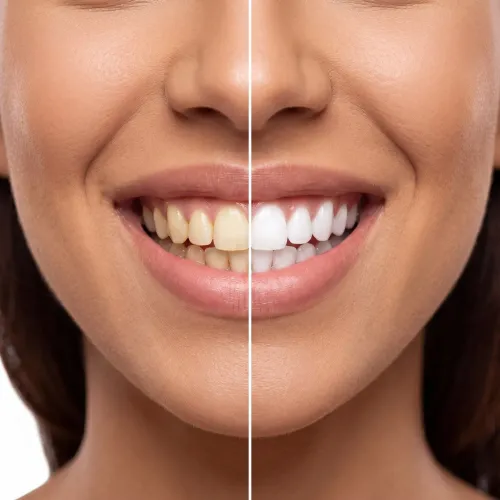
A dentist or laboratory can add shade and surface stain, but a natural match also depends on crown thickness, the underlying tooth colour and adjacent teeth. More translucent zirconia can blend beautifully at the front; stronger, less translucent zirconia can better tolerate heavy back-tooth forces. Maximum strength and maximum translucency are not the same specification.
Which teeth and problems are suitable for a zirconia crown?
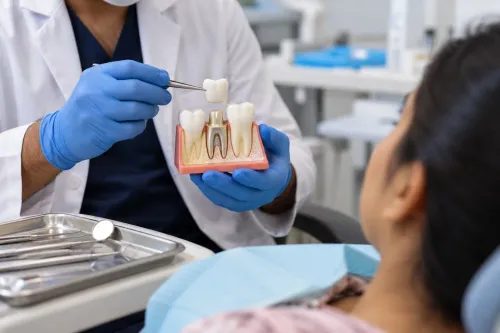
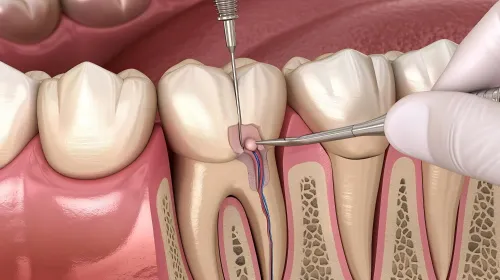
Zirconia crowns make sense when a tooth has lost too much structure for a filling or onlay to protect it. A heavily broken tooth, a root-canal-treated tooth with thin walls, or a tooth weakened by a large filling may need full coverage against biting forces.
Stronger, less translucent zirconia suits molars and heavy chewing; more translucent forms can suit front teeth when appearance and adequate remaining structure matter.
Bruxism increases the load on any crown, so the dentist must assess your bite, available tooth thickness and opposing teeth before choosing zirconia. A crown is the wrong starting point if active decay, untreated gum disease or insufficient healthy tooth structure remains. Cementing a crown onto a weak foundation does not strengthen the tooth indefinitely.
| Option | Better choice when | How it preserves more natural tooth |
|---|---|---|
| Filling | The defect is small and the tooth walls remain strong | Removes less healthy enamel and dentine than a crown |
| Onlay | A damaged cusp or large area needs protection, but the tooth is not weakened throughout | Covers selected chewing surfaces without enclosing the whole tooth |
| Veneer | A front tooth has mainly an enamel-level shape or colour concern | Covers the visible face while retaining the back and much of the enamel |
| Implant restoration | Extraction is unavoidable because the tooth cannot be predictably repaired | Replaces the tooth without cutting down adjacent teeth for a bridge |
If enough sound tooth remains, choose the least extensive option that can withstand your bite; zirconia crowns are not automatically the most conservative restoration.
What happens from tooth preparation to permanent cementation?
Most zirconia crowns require two appointments: one to prepare and record the tooth, and another to fit and cement the finished restoration. The exact amount of tooth reduction depends on the zirconia type, crown design, available space, bite forces and laboratory workflow—not a fixed “minimal preparation” rule.
1. The dentist examines the tooth, takes any needed radiographs, treats decay or gum inflammation, and checks the pulp and remaining tooth structure. Local anaesthetic is used before tooth preparation.
2. During tooth preparation, enamel and damaged filling material are removed, the biting surface and sides are reduced evenly, and the edges are rounded into a clear margin. Too little clearance can create a thin crown or an overcontoured crown that irritates the gums; excessive reduction sacrifices healthy tooth structure.
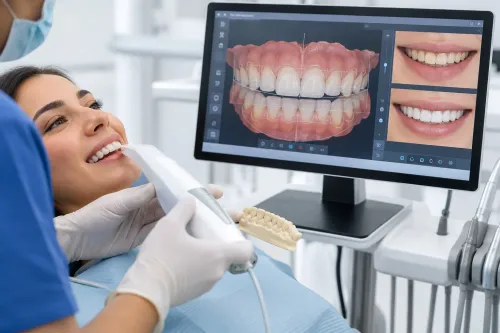
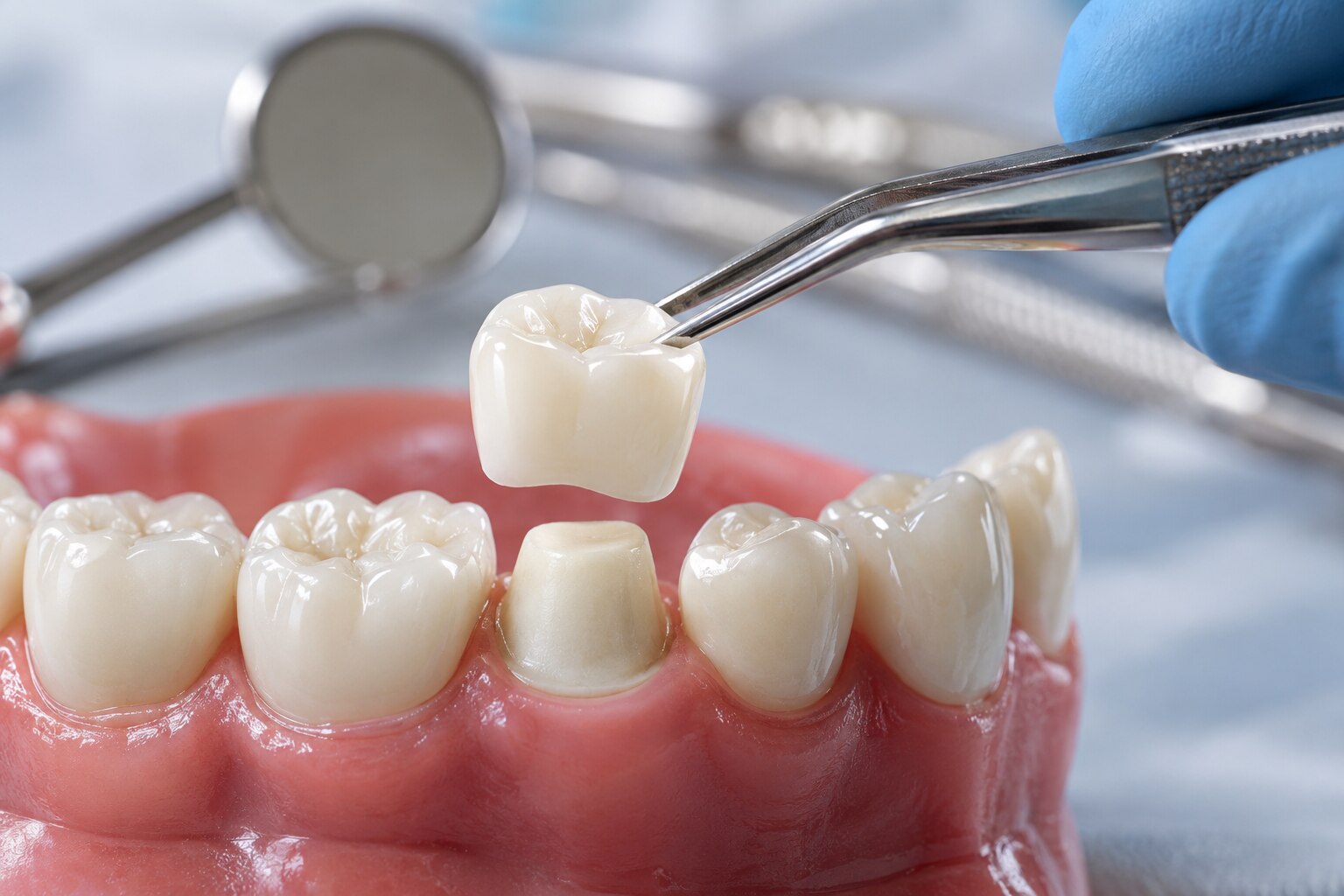
3. The dentist records the prepared tooth with a digital dental scan or dental impression, along with the opposing teeth, bite relationship and shade information. The laboratory uses these records to design and manufacture the zirconia crown.
4. A temporary crown protects the prepared tooth while the permanent one is made. At the fitting appointment, the dentist removes it, checks the zirconia crown’s margins, contacts and bite, then cleans and dries the tooth before cementation.
Conventional or resin-modified glass-ionomer cement suits a retentive preparation; resin cement requires more demanding isolation and bonding steps.
Avoid sticky foods, hard chewing and biting directly on the temporary crown. Floss by pulling the thread sideways through the contact, not upward, and contact the dentist if the temporary crown loosens.
How does the dentist make a zirconia crown look and function like your tooth?
A natural result starts with choosing the design for the tooth’s location and loading, not simply selecting the strongest material.
| Design | Appearance and strength | Best fit |
|---|---|---|
| Monolithic zirconia | One solid zirconia body; avoids porcelain veneer chipping and offers dependable fracture resistance | Back teeth, heavy chewing or bruxism |
| Layered zirconia | Zirconia framework covered with veneering porcelain; allows detailed colour and surface character but adds a chipping risk | Visible teeth needing extensive aesthetic customization |
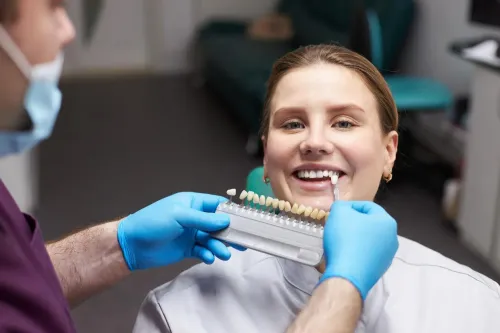
The dentist performs zirconia crown shade matching by assessing neighbouring teeth, brightness, translucency, surface texture and fluorescence. Restoration thickness, the underlying tooth colour and the cement colour also affect the result.
Highly opaque zirconia can hide a dark tooth, but excessive opacity may look flat; highly translucent zirconia blends beautifully yet is not ideal for every heavily loaded molar.
Crown margins and contacts determine whether the restoration feels like part of your tooth. A close, smooth margin supports gum health, while correctly shaped contacts prevent food trapping and keep the crown from pressing against adjacent teeth. Overcontouring creates plaque-retentive areas that are difficult to clean.
Cementation depends on retention, preparation shape and the selected cement; the dentist must follow the zirconia manufacturer’s surface-treatment protocol rather than use a universal recipe. At Orchards Dental Care 9886020830, ask how the proposed design and cement suit your bite and cleaning ability.
Finally, the dentist checks bite contacts and adjusts high spots before polishing the altered zirconia. A smooth, polished surface is kinder to opposing enamel than a rough adjustment left unfinished.
Related services
Zirconium Crowns Restore Strength and Beauty with Zirconium Crowns at Orchards Dental Care At Orchards Dental Care, Sadashiva Nagar, Bangalore, we offer... View service → |
Crowns & Bridges Restore Your Smile with Crowns & Bridges at Orchards Dental Care At Orchards Dental Care, Sadashiva Nagar, Bangalore, we provide high-quality Dental... View service → |
What protects a zirconia crown after it is fitted?
A zirconia crown lasts longer when its bite, margins, cleaning and loading are checked, not merely because the ceramic is strong. Smooth polishing after any occlusal adjustment reduces opposing tooth wear; a rough contact can abrade natural enamel and change your bite.
| Protection step | Why it matters | Your action |
|---|---|---|
| Bite and surface check | Roughness or a high contact increases wear and fracture risk | Have the dentist adjust and polish the crown |
| Margin and gum check | A bulky or poorly finished edge traps plaque and inflames gums | Ask for inspection during routine dental reviews |
| Bruxism assessment | Clenching concentrates force on the crown and opposing teeth | Use a night guard for bruxism when it is prescribed and checked |
For zirconia crown care, brush twice daily with fluoride toothpaste and clean between teeth with floss or an interdental brush. Avoid chewing ice, hard sweets, pens or opening packages with the crown; concentrated force can loosen the restoration, chip its surface or fracture the underlying tooth.
At follow-up, ask the dentist to inspect the crown margin, contacts, bite, gum bleeding, decay at the edge and any crack in the tooth or cement. Report pain, mobility, bleeding or a changed bite promptly. Early treatment can permit repair instead of replacement and supports zirconia crown longevity.
Frequently asked questions
What makes zirconia both strong and tooth-coloured?
Zirconia is a ceramic made from zirconium dioxide stabilized with yttria. Its crystal structure provides strength, while its tooth-coloured material avoids a metal framework.
Which teeth and problems are suitable for a zirconia crown?
A dentist assesses the tooth’s location, remaining structure, bite forces, appearance requirements, and the type of damage before recommending zirconia.
What happens from tooth preparation to permanent cementation?
The dentist prepares the tooth, records its shape and bite, places a temporary crown when needed, checks the finished zirconia crown, and permanently cements it.
How does the dentist make a zirconia crown look and function like your tooth?
The dentist matches the crown’s shade, contours, contact points, bite, and surface finish to the surrounding teeth before cementation.
What protects a zirconia crown after it is fitted?
Brush and clean between your teeth daily, avoid using the crown to open packages, address teeth grinding, and attend dental reviews.