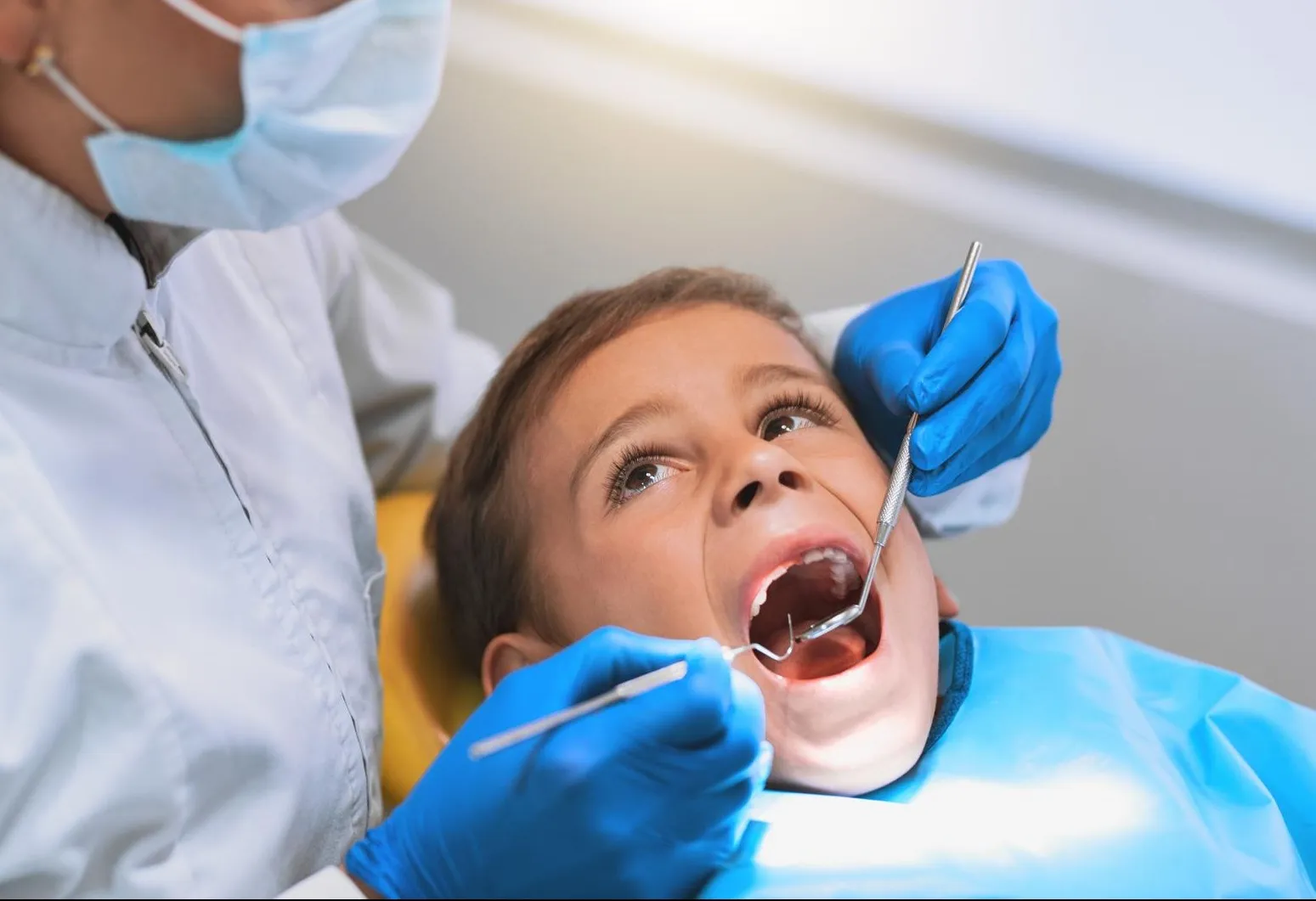
A child's early experiences with dental care can influence how comfortable they feel about dental visits for years. Choosing a Child Dentist therefore involves more than finding someone who can treat a cavity. Communication style, preventive guidance, age-appropriate care, and the ability to identify developing dental problems all matter.
Parents in Cunningham Road, Karnataka, can use several practical indicators when deciding where to take a child for routine and problem-based dental care.
Look for a Prevention Focused Approach
Children's dentistry should not begin only when toothache develops.
Regular evaluation can help identify issues such as early decay, plaque accumulation, gum concerns, tooth eruption changes, and developing bite problems.
Preventive guidance may also cover:
- Age-appropriate brushing
- Fluoride use where appropriate
- Dietary habits
- Frequent sugary snacking
- Thumb sucking
- Pacifier habits
- Sports-related dental protection
The objective is to reduce preventable dental problems while monitoring oral development.
Communication With the Child Matters
Dental terminology can sound intimidating to young children.
A child-friendly approach explains procedures in language appropriate to the child's age and gives them time to become familiar with the dental setting.
Parents should observe whether the dental team communicates patiently instead of treating cooperation as something that can simply be demanded.
The Dentist Should Consider Age and Development
A three-year-old visiting for an examination has very different needs from a teenager requiring restorative treatment.
A Child Dentist should adapt the approach according to the child's age, emotional maturity, dental development, medical history, and ability to cooperate.
Treatment decisions should also consider the importance of primary teeth.
Baby teeth are temporary, but they contribute to chewing, speech, appearance, and maintenance of space for developing permanent teeth.
Ask How Dental Anxiety Is Managed
Children may be nervous because of an unfamiliar environment, previous healthcare experiences, stories they have heard, or fear of discomfort.
Parents can ask how the practice introduces children to treatment and what techniques are used to encourage cooperation.
The aim should be to make necessary care manageable without creating unnecessary fear.
Emergency Readiness Is Useful
Children can chip teeth during sports, playground activities, cycling, or accidental falls.
Parents should know when urgent assessment is necessary, particularly following significant dental trauma, displacement of a tooth, persistent bleeding, swelling, or severe pain.
Knowing where to seek dental assessment before an emergency occurs can save valuable time.
Consider Continuity of Care
Regular visits allow the dental team to monitor changes as permanent teeth erupt and the bite develops.
This continuity can help identify whether orthodontic assessment may eventually be needed and whether preventive measures are working effectively.
At Orchards Dental Care, children's dental evaluation can include preventive care, developing teeth, oral hygiene, existing dental concerns, and guidance relevant to different stages of childhood.
Choosing the right dental environment is ultimately about finding care that combines clinical assessment with communication suited to children. When children understand what is happening and preventive habits are reinforced consistently, dental visits can become a normal part of maintaining health rather than something reserved for emergencies.
Keywords