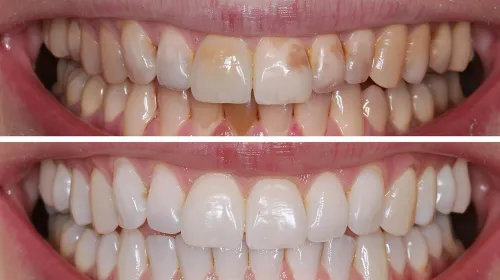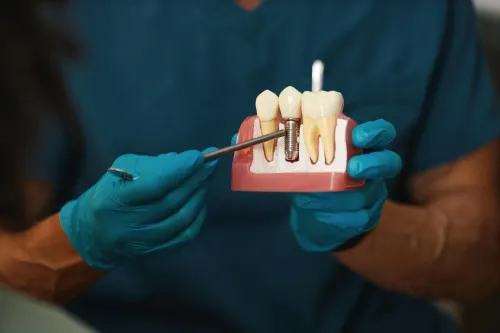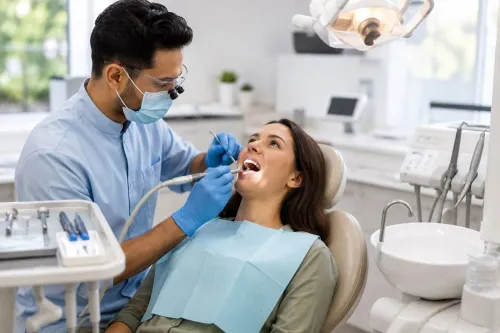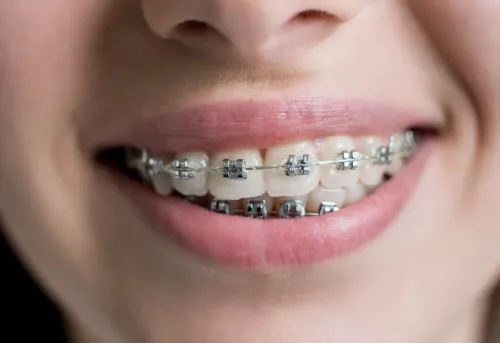

A smile can be affected by several issues at the same time. Discoloration, uneven tooth edges, old restorations, gaps, missing teeth, tooth wear, and alignment concerns may overlap, making a single cosmetic procedure insufficient. Smile Rehabilitation brings these factors together through individualized dental planning.
For people around Sankey Road, Karnataka, considering extensive cosmetic dental work, understanding the planning process is one of the best ways to evaluate a provider.
Smile Rehabilitation Is Not One Standard Treatment
There is no universal smile rehabilitation package.
One patient may require whitening and minor restorative work. Another may need orthodontic alignment before cosmetic treatment. Someone with damaged or missing teeth could require a combination of restorative and replacement procedures.
The plan should therefore begin with diagnosis rather than a predetermined list of treatments.
What Should a Dentist Evaluate
A comprehensive smile assessment should consider more than tooth colour.
Important factors include:
- Tooth shape and proportion
- Existing alignment
- Gum contours
- Missing teeth
- Previous restorations
- Bite relationships
- Tooth wear
- Facial proportions
- Lip movement while smiling
- Oral health
This information helps determine whether cosmetic treatment alone is appropriate.
Natural Results Depend on Proportion
Patients sometimes assume that the whitest possible shade will produce the most attractive result.
In reality, natural-looking dental work usually depends on harmony between shade, tooth dimensions, translucency, texture, alignment, and surrounding gums.
The appearance of individual teeth should also complement the patient's facial characteristics.
Different Problems Need Different Solutions
A responsible treatment plan does not use one procedure to solve every concern.
For example:
- Whitening can address certain types of discoloration.
- Orthodontics can reposition teeth.
- Veneers can modify selected visible surfaces.
- Crowns can restore significantly compromised teeth.
- Bridges or implants may replace missing teeth.
- Gum treatment may be necessary before cosmetic procedures.
Choosing among these treatments requires understanding what is causing the visible problem.
Readiness Matters Before Cosmetic Treatment
Patients considering Smile Rehabilitation should ideally have stable oral health before beginning elective cosmetic procedures.
Untreated cavities, active gum disease, significant inflammation, or unresolved functional problems may need attention first.
This foundation helps protect both natural teeth and subsequent restorations.
What to Look for During Provider Selection
A consultation should allow enough time to discuss what the patient wants to change and what should remain natural.
Useful questions include:
- Which problems are cosmetic and which are functional?
- Are there more conservative alternatives?
- Will orthodontic treatment improve the plan?
- Which teeth genuinely need restoration?
- What maintenance will be necessary?
- How will the proposed changes affect the bite?
At Orchards Dental Care, smile-focused planning can incorporate dental health, function, aesthetics, and realistic treatment sequencing rather than concentrating solely on appearance.
The strongest Smile Rehabilitation plan is not necessarily the one involving the greatest number of procedures. It is the one that identifies each concern accurately, preserves healthy tooth structure where possible, and creates a smile that looks appropriate for the individual while remaining practical to maintain.
Keywords