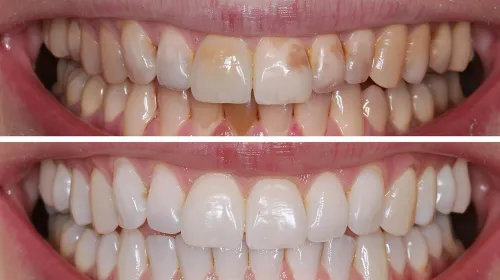
Small imperfections in the front teeth can have a noticeable effect on the overall appearance of a smile. Uneven tooth shape, persistent discoloration, minor gaps, worn edges, and surface imperfections are some of the reasons people explore cosmetic dental treatment. Porcelain Veneers are one option used to improve these concerns while maintaining a natural-looking appearance.
For people in Malleshwaram, Karnataka, understanding how veneers work can make it easier to decide whether a cosmetic dental consultation is worthwhile.
What Are Porcelain Veneers
Porcelain veneers are thin, custom-made shells that are bonded to the visible surfaces of selected teeth. Rather than replacing the entire tooth, they modify its visible shape, shade, proportion, or alignment.
They may be considered for concerns such as:
- Teeth with stubborn discoloration
- Minor gaps between front teeth
- Chipped or worn tooth edges
- Uneven tooth proportions
- Mild cosmetic misalignment
- Teeth that appear irregular in shape
Because veneers are individually designed, their appearance can be planned around facial features, neighbouring teeth, tooth proportions, and the patient's smile.
What Makes Porcelain Useful in Cosmetic Dentistry
Porcelain is commonly chosen because it can reproduce some of the translucency and light-reflecting characteristics associated with natural enamel. The objective is generally not to create unusually bright or identical-looking teeth, but to develop a smile that remains proportionate to the person's face.
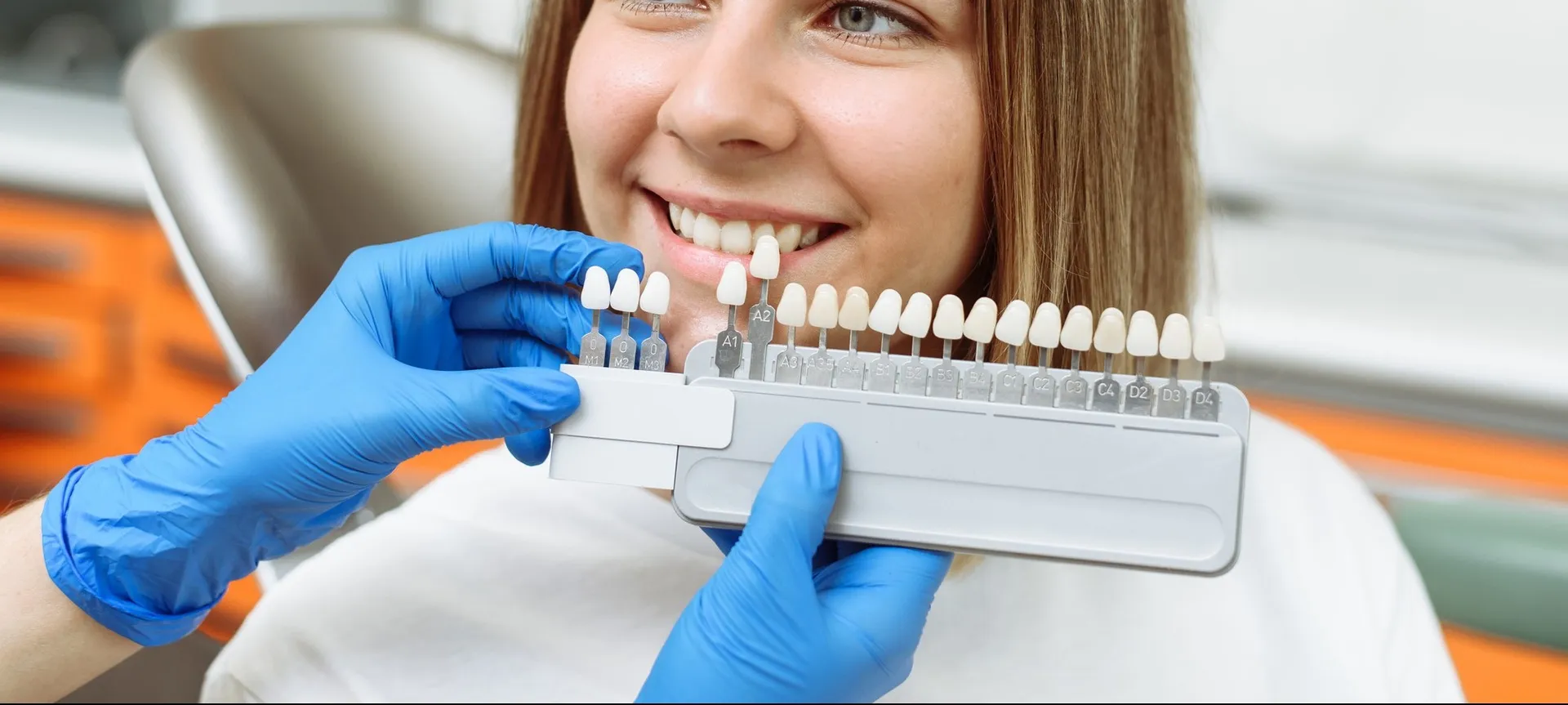
Shade selection is particularly important. A veneer that is dramatically whiter than neighbouring teeth can appear artificial, while an appropriately selected shade can blend more naturally.
What Happens Before Veneer Treatment
A cosmetic concern alone does not determine whether veneers are suitable.
The dentist first needs to assess the condition of the teeth and gums. Existing decay, gum inflammation, significant bite problems, or severe tooth damage may need to be addressed before cosmetic treatment.
The assessment may include:
- Examining the teeth and gums
- Reviewing the patient's bite
- Identifying existing restorations
- Discussing desired cosmetic changes
- Planning tooth shape and proportions
- Determining how many teeth may require treatment
This planning stage is important because every smile has different characteristics.
Are Veneers Suitable for Crooked Teeth
Mild irregularities can sometimes be cosmetically improved with veneers. However, veneers are not automatically a replacement for orthodontic treatment.
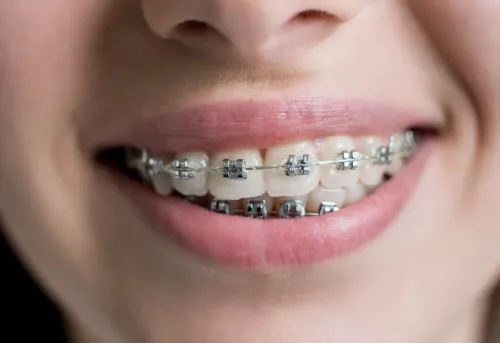
When teeth are significantly crowded, rotated, or incorrectly positioned, braces or aligners may provide a more appropriate way to address the underlying alignment.
Similarly, patients who grind their teeth heavily may require additional evaluation because repeated pressure can affect restorations.
Caring for Veneers
Porcelain cannot develop tooth decay, but the natural tooth beneath and around the veneer still requires regular care.
Patients should continue brushing twice daily, cleaning between teeth, and attending periodic dental examinations. Habits such as biting hard objects, opening packaging with the teeth, or chewing ice should be avoided because they can damage both natural teeth and restorations.
At Orchards Dental Care, cosmetic evaluation can include the condition of the existing teeth, bite, gum health, smile proportions, and realistic treatment possibilities before veneers are considered.
For someone considering Porcelain Veneers, the most useful first step is understanding what needs improvement and whether veneers are the most conservative option for achieving that change.
Keywords