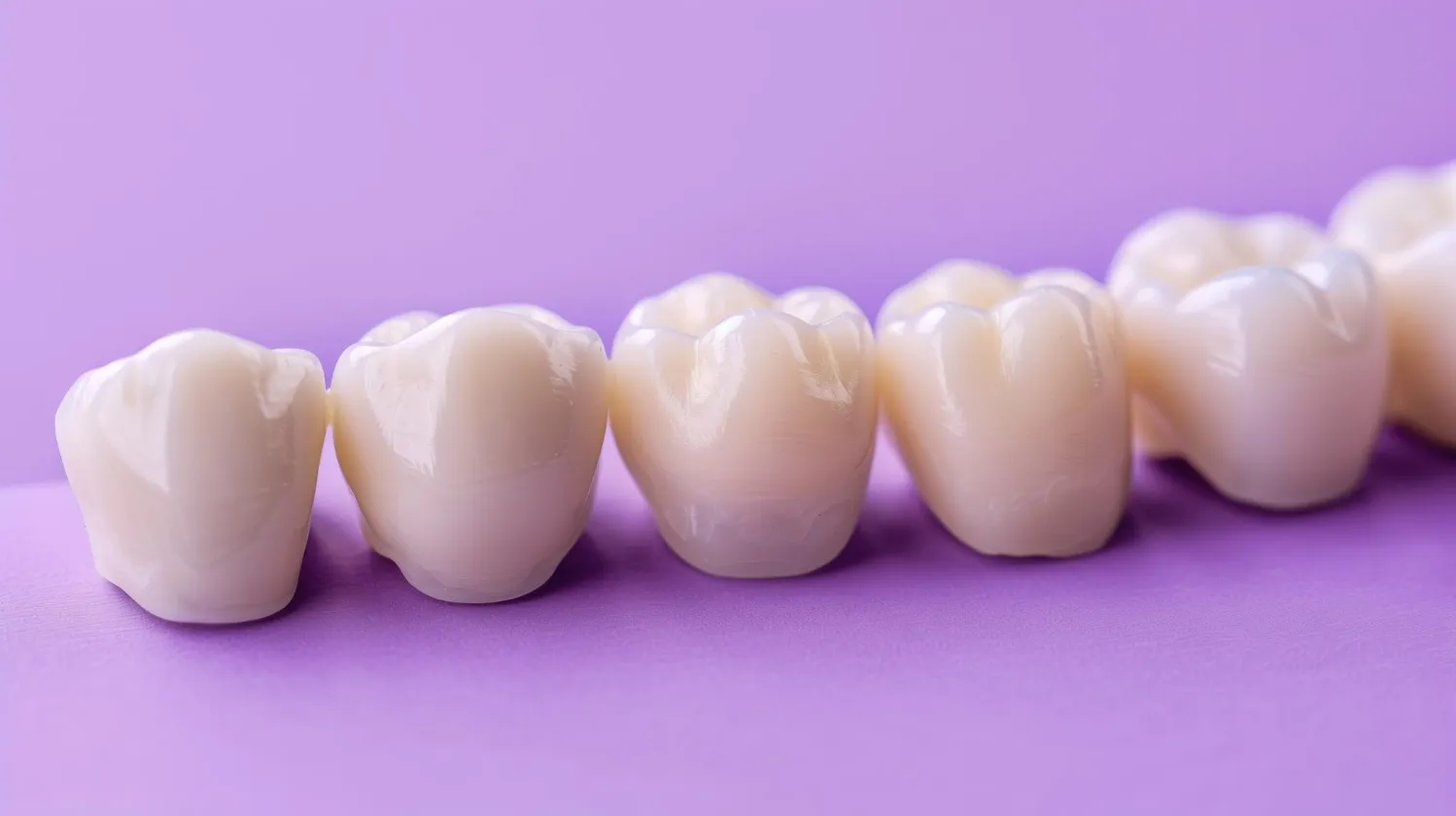
A tooth does not always need to be removed simply because a large portion of its structure has been damaged. When enough healthy tooth remains and the supporting tissues are suitable, a Dental Crown may be used to cover and protect the compromised tooth.
For patients in Vyalikaval, Karnataka, understanding why crowns are recommended can make restorative treatment decisions easier.
What Exactly Is a Dental Crown
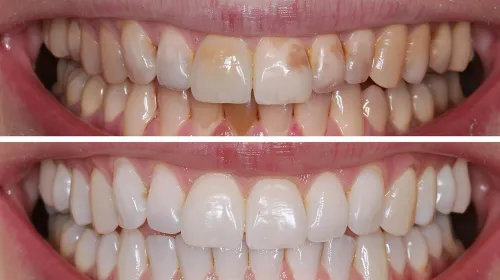
A crown is a custom restoration that covers the visible portion of a prepared tooth. Its purpose may include restoring shape, improving strength, rebuilding chewing surfaces, or improving appearance.
Crowns can be made from different dental materials, and the choice depends on the location of the tooth, bite forces, aesthetic requirements, remaining tooth structure, and other clinical considerations.
When Might a Crown Be Needed
A dentist may consider a crown when a tooth has:
- A very large filling
- Extensive structural damage
- Significant wear
- A fracture or crack
- Undergone certain root canal treatments
- Insufficient structure for a conventional filling
- A need for substantial restorative reshaping
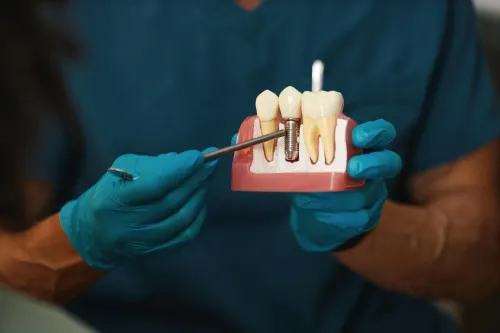
Crowns are also used as components of certain dental implant and bridge treatments.
Why Is a Filling Sometimes Not Enough
Fillings are useful for repairing many cavities and smaller areas of lost tooth structure. However, placing a very large filling in a severely weakened tooth does not necessarily restore its structural integrity.
When considerable tooth structure has already been lost, a crown may provide broader coverage.
The decision should be based on how much healthy tooth remains rather than simply the visible size of the cavity.
What Happens During Crown Treatment
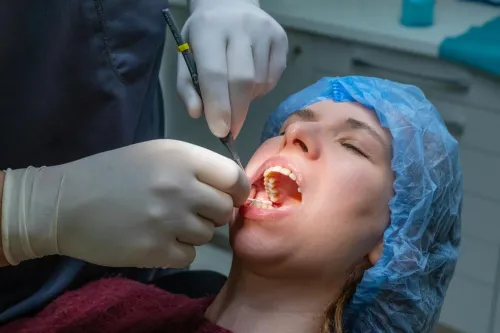
The exact process varies according to the tooth and restoration selected, but treatment commonly involves evaluating the tooth, preparing it, recording its dimensions, and creating a crown that fits the prepared structure.
The dentist also needs to evaluate how the crown contacts neighbouring and opposing teeth.
An accurately planned bite is particularly important because an incorrectly balanced restoration may feel uncomfortable during chewing.
Does a Crown Make a Tooth Indestructible
No dental restoration makes a tooth immune to future problems.
The junction between the natural tooth and crown still needs to remain clean. Decay can develop in natural tooth structure around restoration margins, while gum disease can affect the supporting tissues.
Regular brushing, interdental cleaning, dental examinations, and appropriate professional cleaning therefore remain important.
People who grind or clench their teeth may also require additional advice because excessive forces can affect restorations.
Choosing a Crown Based on the Tooth
Front and back teeth do not always have identical restorative requirements.
Appearance may be a major priority for a visible front tooth, while a molar must tolerate substantial chewing forces. Modern dentistry offers several material choices, making individualized selection preferable to assuming one material is ideal for everyone.
At Orchards Dental Care, restorative assessment considers remaining tooth structure, function, aesthetics, gum condition, and bite before recommending an appropriate treatment.
A Dental Crown is therefore best understood as part of a broader restorative plan. Its value depends on accurate diagnosis, appropriate material selection, careful preparation, good fit, and consistent oral hygiene after treatment.
Keywords