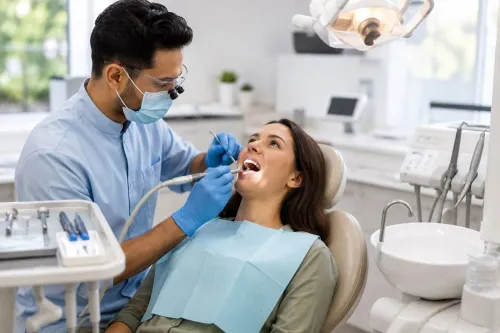
Crooked teeth are often viewed as a cosmetic concern, but tooth alignment can also influence cleaning, bite function, and long-term oral health. Dental Braces are orthodontic appliances designed to gradually reposition teeth according to a planned treatment sequence.
For families and adults in Sadashivanagar, Karnataka, knowing when orthodontic assessment may be useful can help identify alignment problems before they become more difficult to manage.
What Problems Can Braces Address
Braces may be recommended for different types of orthodontic concerns, including:
- Crowded teeth
- Excessive spacing
- Rotated teeth
- Protruding teeth
- Certain overbite patterns
- Certain underbite patterns
- Crossbite
- Teeth erupting in undesirable positions
Not everyone with slightly uneven teeth needs orthodontic treatment. The significance of the problem depends on tooth position, jaw relationships, bite function, age, oral health, and the patient's treatment goals.
How Braces Move Teeth
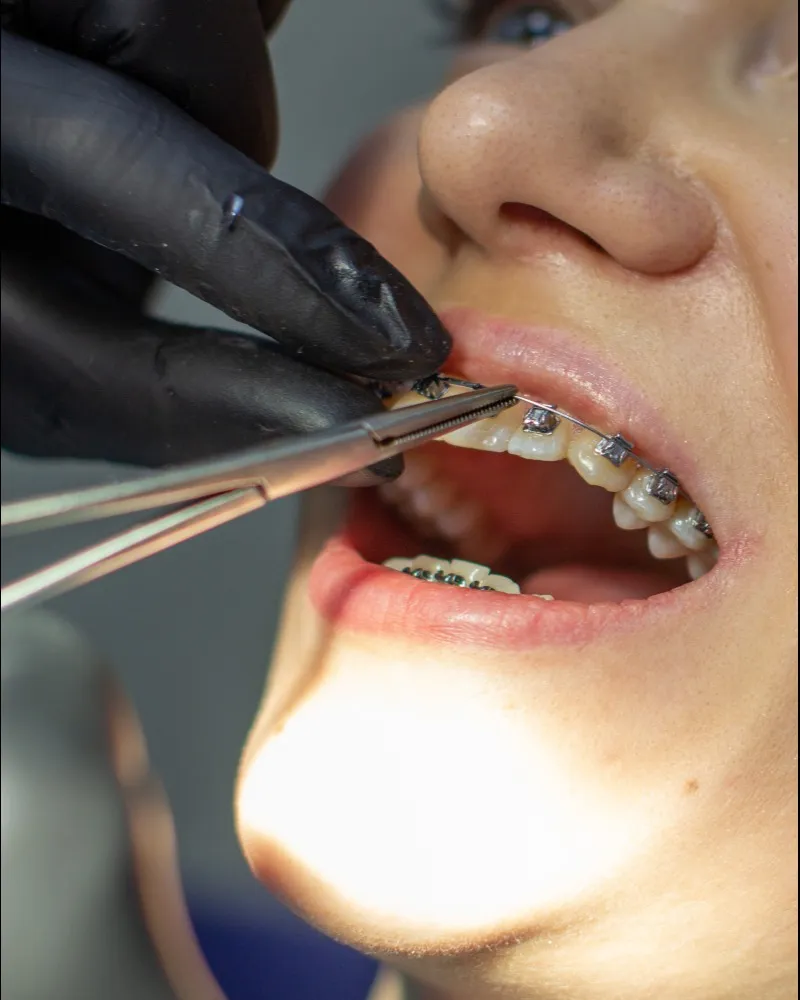
Braces apply controlled orthodontic forces to teeth over time. Traditional systems generally use brackets attached to individual teeth and an orthodontic wire connecting them.
During scheduled appointments, treatment progress is reviewed and adjustments may be made according to the orthodontic plan.
Movement occurs gradually rather than immediately. The total treatment period can therefore differ substantially between patients.
Are Braces Only for Teenagers
No. Adults can also undergo orthodontic treatment when their teeth and supporting tissues are suitable.
Adults may consider treatment because they did not receive orthodontic care earlier, their teeth have shifted over time, or they want to address alignment before restorative or cosmetic dental procedures.
Children and adolescents, meanwhile, may benefit from timely orthodontic evaluation because tooth eruption and jaw development can influence treatment planning.
Why Oral Hygiene Becomes Particularly Important
Fixed braces create additional areas around brackets and wires where food debris and plaque can accumulate.
Patients undergoing treatment usually need to pay greater attention to:
- Brushing around brackets carefully
- Cleaning between teeth
- Following dietary recommendations
- Keeping scheduled orthodontic visits
- Attending routine dental examinations
Poor plaque control during orthodontic treatment can increase the likelihood of gum inflammation and enamel problems.
How Long Does Treatment Take
There is no universal duration.
Simple tooth movement may require less time than treatment involving substantial crowding or complex bite correction. Patient cooperation, missed appointments, oral health, growth, and the biological response of teeth can also influence progress.
This is why treatment duration should be estimated after an individual orthodontic assessment rather than based on another person's experience.
What Happens After Braces Are Removed
Completing active tooth movement is not necessarily the end of orthodontic care.
Retainers are commonly recommended to help maintain the corrected tooth positions. Teeth can naturally shift after treatment, particularly when retention instructions are not followed consistently.
At Orchards Dental Care, orthodontic evaluation can help determine the nature of an alignment problem and whether braces are appropriate for the individual's dental condition.
The important point is that Dental Braces are not simply about creating straighter-looking teeth. Good orthodontic planning considers tooth position, bite relationships, oral hygiene, stability, and long-term dental function together.
Keywords