Discovering a cavity often raises an immediate question about how much treatment the tooth actually needs. A Tooth Filling is one of the most familiar restorative dental procedures, but fillings are most appropriate when there is sufficient healthy tooth structure remaining to support the restoration.
For people in Sadashiva Nagar, Karnataka, understanding the difference between a straightforward filling and more extensive restorative treatment can make treatment recommendations easier to evaluate.
What Does a Filling Actually Do
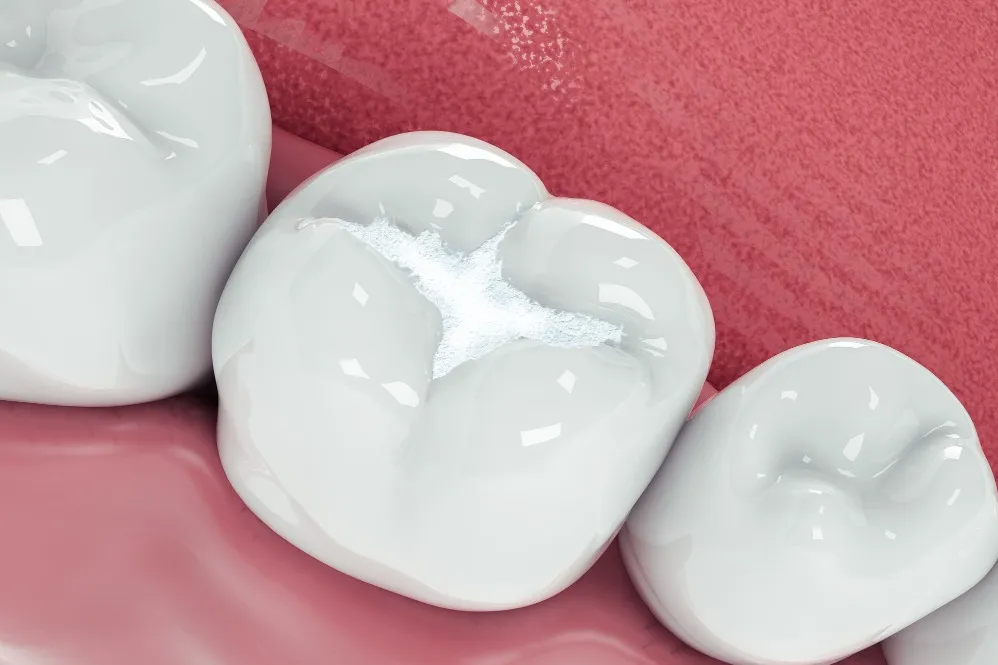
When decay damages a tooth, the affected area is removed and the resulting space is restored with an appropriate dental material.
The filling helps rebuild the missing portion of the tooth and restore function.
However, the amount of damage matters.
A small cavity and a tooth with extensive structural loss may both technically contain decay, but they do not necessarily require the same treatment.
Signs That Should Prompt Dental Assessment
Possible indications of tooth decay include:
- Sensitivity to sweets
- Sensitivity to temperature
- Food repeatedly getting stuck
- Visible dark areas
- A rough area on a tooth
- Pain while chewing
- A chipped portion of the tooth
Early decay may also produce no obvious symptoms. This is one reason routine dental examinations can identify problems before they become painful.
When Might a Filling Be Suitable
Fillings are commonly considered when decay or damage is limited enough for the remaining tooth to provide adequate support.
The dentist considers the location of the cavity, its depth, bite forces, previous fillings, and the amount of sound tooth structure that remains.
Different restorative materials may also be selected according to the tooth and clinical requirement.
When Might a Filling Not Be Enough
If a tooth has lost substantial structure, simply placing a larger filling may not always provide appropriate protection.
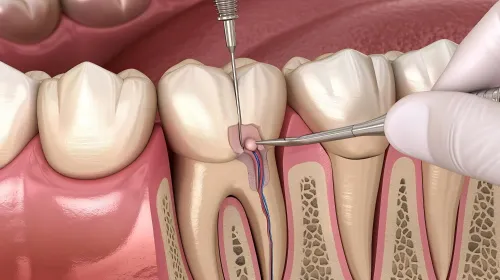
Depending on the diagnosis, alternatives could include an inlay, onlay, crown, root canal treatment followed by restoration, or extraction when the tooth cannot predictably be restored.
Deep decay reaching or significantly affecting the pulp requires a different assessment from superficial decay.
Why Delaying Treatment Can Change the Situation
Dental decay does not repair itself once a cavity has formed.
A relatively limited problem can progress deeper into the tooth if left untreated. As more tooth structure is affected, the treatment needed to restore the tooth may become more extensive.
This makes timely diagnosis valuable even when discomfort is mild.
How Long Should Fillings Last
There is no single lifespan that applies to every restoration.
Longevity can be influenced by:
- Filling size
- Material
- Tooth position
- Oral hygiene
- Diet
- Grinding or clenching
- Bite forces
- Regular dental care
Existing fillings should therefore be reviewed periodically rather than assumed to last indefinitely.
At Orchards Dental Care, restorative assessment can help determine whether a cavity is suitable for a Tooth Filling or whether the tooth requires a different approach.
The goal should be to preserve healthy natural tooth structure whenever reasonably possible while selecting a restoration capable of handling the tooth's functional demands. Treating decay at an appropriate stage can often make that process more straightforward.
Keywords