Some dental problems cannot be solved effectively by treating one tooth at a time. When multiple teeth are worn, damaged, missing, heavily restored, or contributing to an unstable bite, Full Mouth Rehabilitation may be considered as a coordinated treatment approach.
For patients around Palace Road, Karnataka, the important distinction is that comprehensive rehabilitation is not simply a large cosmetic makeover. It begins with function, health, diagnosis, and treatment sequencing.
Who May Need Comprehensive Rehabilitation
Patients may require broader evaluation when they have several overlapping concerns, such as:
- Multiple missing teeth
- Extensively damaged teeth
- Advanced tooth wear
- Numerous failing restorations
- Difficulty chewing
- Reduced bite height
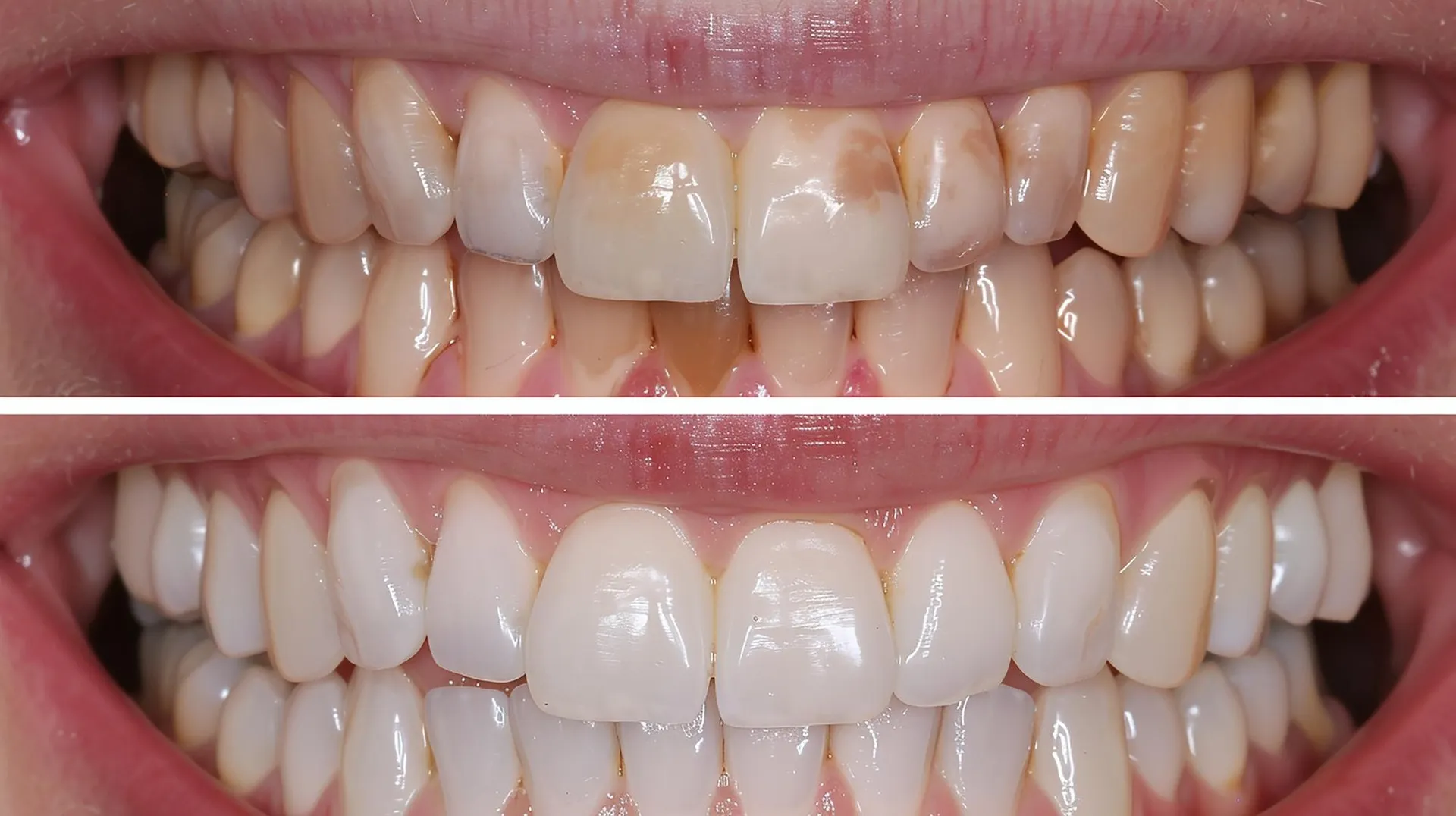
- Significant aesthetic concerns combined with functional problems
A person does not necessarily require treatment on every tooth for the process to be described as comprehensive. The defining feature is coordinated planning across different areas of the mouth.
Why Treating Individual Teeth May Not Be Enough
Imagine repairing several worn teeth independently without considering how they meet during chewing.
Each restoration might look acceptable by itself, but the overall bite could remain poorly balanced.
Full-mouth planning examines how teeth, restorations, gums, jaw relationships, and missing spaces work together. This makes sequencing particularly important.
What Should Be Evaluated First
A comprehensive assessment may consider:
- Remaining natural tooth structure
- Gum and periodontal health
- Missing teeth
- Existing crowns and fillings
- Tooth wear
- Bite relationships
- Jaw function
- Cosmetic concerns
- Oral hygiene
- Long-term maintenance requirements
Diagnostic imaging and other records may be required depending on the clinical situation.
Treatment Can Involve Several Dental Procedures
There is no single procedure called full-mouth rehabilitation.
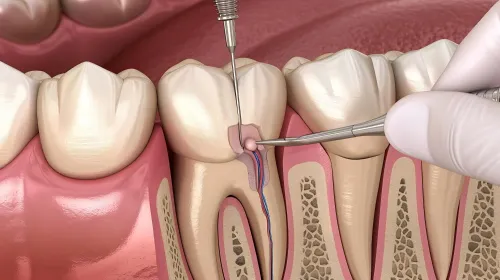
Depending on individual requirements, the plan may involve fillings, crowns, bridges, implants, periodontal care, root canal treatment, orthodontics, replacement of failing restorations, or selected cosmetic procedures.
Some patients need only a few treatment categories, while others require staged care across multiple disciplines.
Why Treatment Sequence Matters
Disease control generally needs attention before elective cosmetic reconstruction.
For example, active gum disease or untreated decay should not simply be hidden beneath new restorations. Likewise, the final position of teeth may need to be established before certain crowns or veneers are designed.
A staged plan can therefore make complex treatment more manageable and clinically logical.
What Patients Should Ask Before Beginning
Before proceeding with Full Mouth Rehabilitation, patients should understand which problems are being treated, which procedures are essential, which are elective, the proposed treatment sequence, expected maintenance, and available alternatives.
At Orchards Dental Care, comprehensive assessment can bring multiple dental concerns into one coordinated plan rather than viewing every damaged or missing tooth in isolation.
A successful rehabilitation plan should ultimately aim for more than a visually improved smile. It should create a maintainable relationship between remaining teeth, restorations, gums, and bite function while taking the patient's priorities into account.
Keywords